Omael: The Angel of Fruitful Life
Among the seventy-two angelic names of the Shem HaMephorash, the thirtieth is Omael. In the Jewish mystical tradition of the Kabbalah, these names are drawn from a verse in the Book of Exodus, and each one is linked to a specific angel.
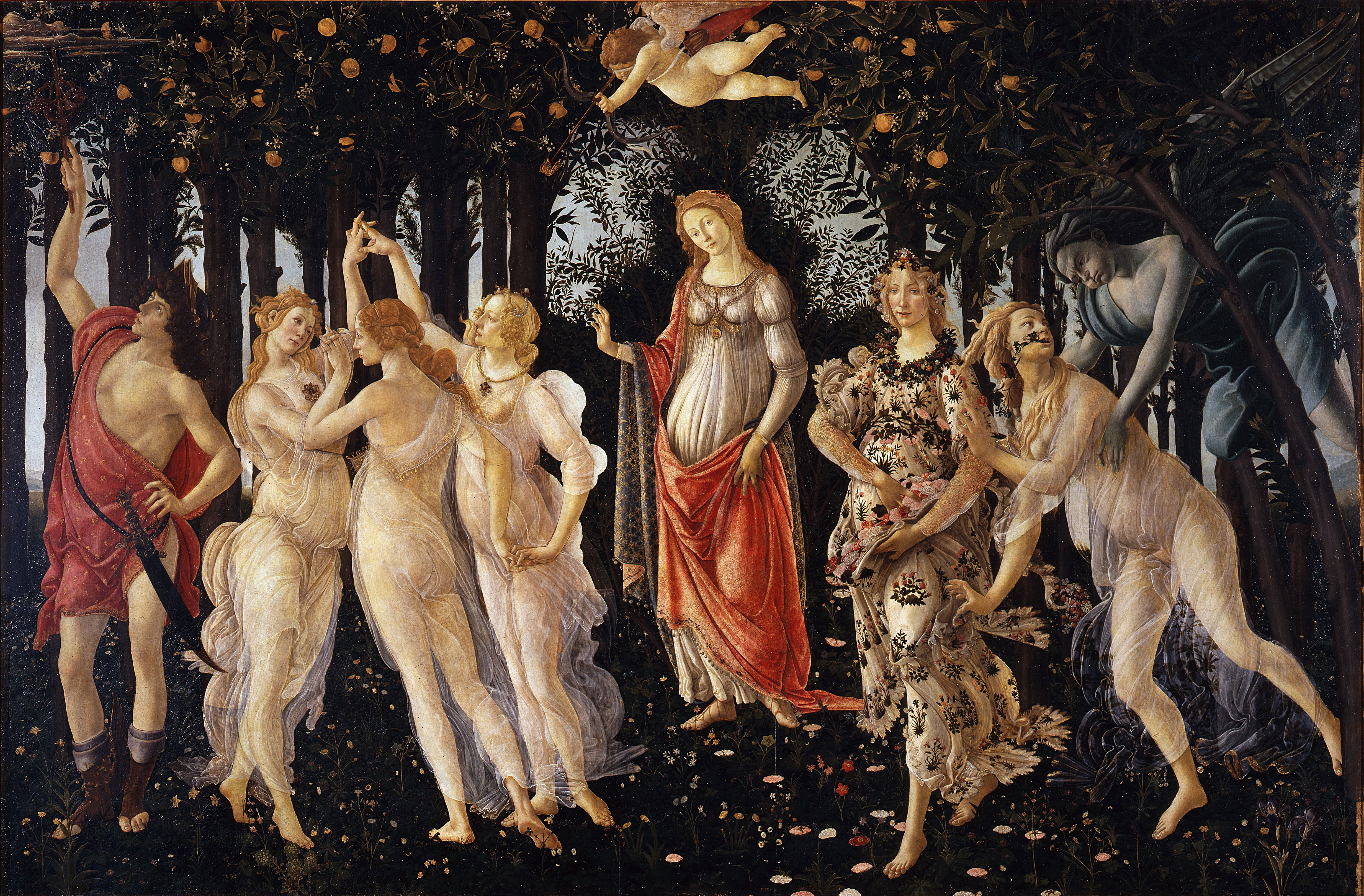
Omael belongs to a family of angels connected to the Sefirah of Netzach, the sphere of endurance, beauty and natural life. Like the flowers in the spring painting that many people associate with this figure, Omael is a symbol of growth that keeps returning, even after winter.
In the magical and mystical literature that grew around these names, Omael is often described as the angel of fruitfulness. He is said to watch over healing, patience and the way life finds a path through hard conditions. Those who study him usually approach him as a figure of hope rather than as a power to command.
The Name and Its Letters
The name Omael is written in Hebrew with three letters: ayin, mem and aleph. In the tradition, each letter carries its own meaning. The ayin is linked to the eye and to sight, the mem to water, and the aleph to the breath and the beginning of things.
Some writers read the name as the eye of the spirit moving into the waters of life, a poetic image of awareness entering the flow of growth.
These readings are symbolic. They show how the mystics of the past looked for meaning in every part of a sacred name, and how the letters themselves were seen as living forms.
The Sphere of Venus
In the astrological system of the Kabbalah and of the Hermetic traditions that came after it, Netzach is linked with the planet Venus. Venus stands for love, art, desire and the pleasure of living. It also governs growth in plants and the blooming of spring.
This is why Omael is connected to fertility, creativity and the health of the body. In some Western charts he is paired with the zodiac sign of Virgo, though the exact correspondences vary between authors.
A simple image can help the seeker remember this link: a garden in spring, where each flower opens in its own time. The garden does not hurry, yet it never stops moving toward the light.
Healing, Fruitfulness and Patience
Grimoire writers describe Omael as a helper for the sick and for those who have lost strength. They say he can restore vitality after illness or exhaustion. They also speak of creative fruitfulness, the power to bring a project from its first idea to a mature result. Patience is a strong theme in these texts, because growth rarely follows a quick schedule.
A reader can take this teaching into daily life without any special ritual. Rest when the body is tired, plant an idea and water it steadily, and accept that some seasons are for waiting. The angel of fruitfulness teaches that persistence and care often matter more than sudden effort.
A Meditation on Growth
Those who work with Omael in the tradition often use a simple visualization. The practitioner sits quietly, imagines a small seed glowing with a warm green light at the center of the body, and breathes slowly. With each breath, the light seems to send out roots that reach through the whole body. The practitioner may then speak a short phrase asking for patience, vitality and renewal.
Whether one considers this an encounter with a real angel or a powerful inner image, the practice can calm the mind and focus attention on hope. It is a way to feel rooted and ready to grow.
Planting a Real Seed
A helpful complement to the meditation is a concrete action. Plant a seed, water a houseplant or spend a few minutes caring for a living thing. This gesture connects the symbolic work with the physical world. It reminds the seeker that spiritual growth also needs soil, water and time.
For the one who has a garden, the practice can become a weekly ritual of attention. Each leaf that opens can be a reminder of the slow work of renewal.
Sources for Further Study
Readers who want to explore Omael and the other angelic names can begin with the Sefer Raziel HaMalakh, a medieval Hebrew book of angelic lore that influenced many later magicians. A modern study of the Kabbalah and the tarot, such as Robert Wang's The Qabalistic Tarot, offers a useful bridge between the classical sources and today's practice. As always, it is wise to compare several sources and to read them with a critical eye.
Closing
Omael reminds us that life has its own patient intelligence. It grows through winter, heals after storms and returns each spring with quiet confidence. Whether the angel is seen as a spiritual being or as a symbol of the human longing for renewal, his message is clear: tend what you love, be patient with its growth and trust that the seed you plant today will open in its own season.
Related Esoteric Inquiries
- Reiyel: The Divine Liberator and Spiritual Authority
- Aladiah: The Angel of Hidden Healing
- Vasariah: The Angel of the Word and Just Speech
Lux Esoterica.
2026.


Comments