Digital Oracles: Finding the Sacred Spark in Ai Art
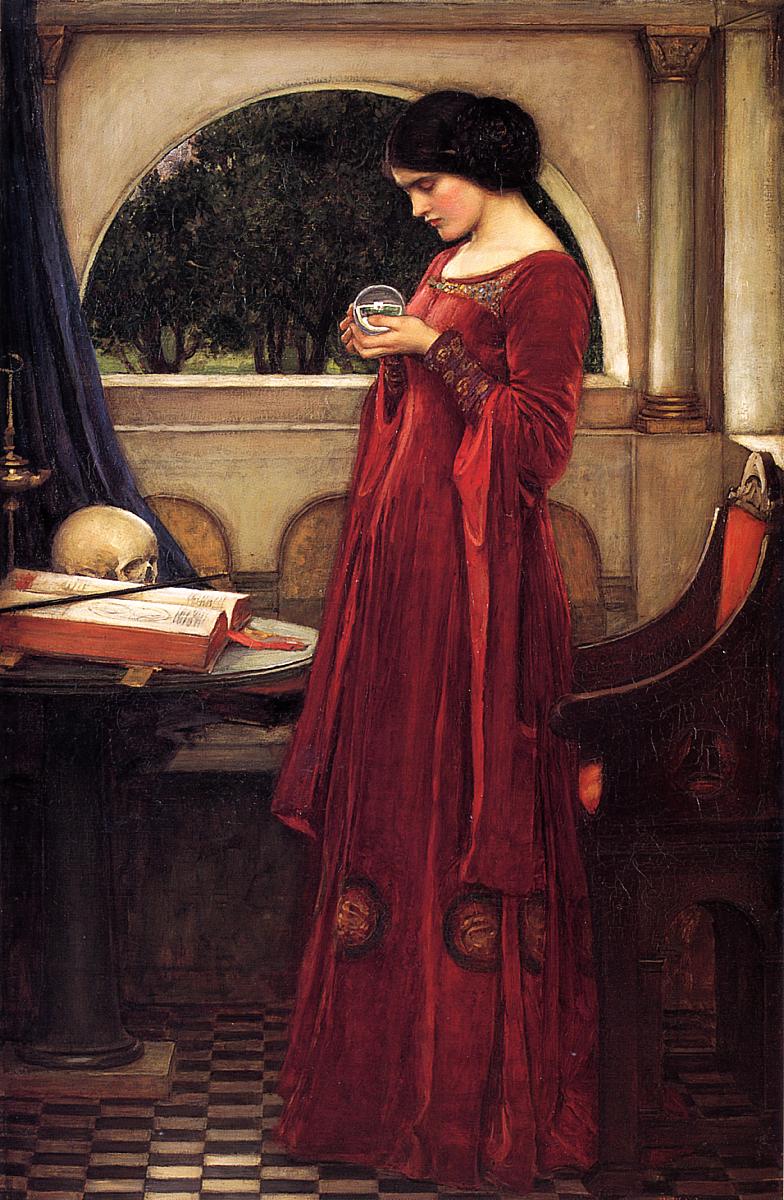
For centuries, mystics and artists have shared a common wish: to look into the hidden world and bring back a small piece of what is unknown. Ancient seers gazed into dark mirrors of polished stone, cast bones or lots, and read the positions of the stars.
Today, a new kind of mirror has appeared. It glows in the palm of the hand and on the wall of the studio. Many artists now work with image-making tools that use artificial intelligence, and this has raised an old question in a new form: can a machine carry something of the sacred, or is the spark always human?
This article does not claim to answer that question for everyone. It looks at the process of making images with these tools through the lens of symbolism and craft, and it notes where the esoteric reading is a personal interpretation.
The Modern Scrying Mirror
Scrying is the practice of gazing into a reflective surface until images appear. A crystal ball, a bowl of water or a dark glass were common tools. The viewer's attention softens, the mind fills in shapes, and meaning seems to rise from the surface.
Many people who use image generators describe a similar feeling. You write a short description, wait, and see shapes and colors that you did not plan. The surprise can be striking, and it can open a door to imagination.
The comparison has limits. A scrying glass does not learn from millions of pictures made by other people. An image tool does, and that fact matters for questions of authorship and ownership. The mystical comparison can be a useful way to pause and reflect, but it should not hide these practical and ethical issues.
A Mirror Made From Many Pictures
Image tools are trained on very large collections of pictures and texts made by people over many years. In a symbolic sense, these collections carry the shared memory of human art, myth and everyday life. Some writers compare this to Carl Jung's idea of a collective unconscious, a deep layer of images that many cultures seem to share.
The comparison is poetic, but it is not a scientific claim. Jung's concept belongs to psychology and to his own theory, not to the workings of a computer program.
Still, the idea can help artists think about their sources. Who made the images that shaped the tool? Whose work is being reused? A careful artist asks these questions before celebrating the result.
Surprise as Synchronicity
Artists who use these tools often notice unexpected results: a color combination that seems perfect, a face that looks almost alive, or a texture that feels meaningful. Some call these moments synchronicity, a term Jung used for meaningful coincidences. Others see them as ordinary accidents of a complex system.
Both views can coexist. The practical lesson is that surprise is valuable when the artist recognizes it, selects it and gives it a clear purpose.
Odd results are not always beautiful. Strange hands, broken shapes and errors are common. Learning to tell which surprises are worth keeping is part of the craft.
Soul Is Not Only Weight
A common objection says that an image made on a screen lacks soul because it has no physical weight. Many painters feel this way, and their concern deserves respect. Paint, canvas and the marks of the hand carry memory. However, emotion is not limited to matter. A small image on a screen can carry deep feeling, especially when the maker has chosen it with care.
Many artists use these tools as a sketchbook or as a laboratory. They try color palettes, test the strength of a composition and explore shadows before starting a physical piece. Then they move to paper, paint, gesso or clay, where the hand and the material take over.
In this approach, the tool suggests and the human decides. The machine can be an oracle of options, but the person remains the channel through which a vision becomes real.
Responsibility and Honesty
Working with these tools also asks for honesty. Label your images clearly when they were made with AI. Respect the rights of other artists and learn the rules of the platforms you use. If a piece is sold, check the terms and tell buyers how it was made.
A spiritual approach to art includes care for the people whose work shaped the tool and for the audience who trusts what they see.
If the process starts to feel compulsive, or if long hours at the screen cause fatigue, anxiety or sleep problems, take a break. Creative practice should support health, not replace rest, friendships or time outdoors.
A Practice for the Studio
Here is a simple way to explore the mirror with intention. Light a candle, sit in front of the screen, and write one short phrase that names what you are seeking. Generate a few images, then look away and close your eyes for a moment.
When you look back, choose the one that moves you most and write down why. Finally, make a small sketch of that image by hand, without the tool. Notice what changes when your own hand gives it form.
Closing
Whether we call it a mirror, an oracle or simply a tool, the image generator reflects the questions we bring to it. It can open new paths for imagination, but it cannot replace attention, judgment and care. The spark that matters most is still human: the moment when someone recognizes meaning in a surprise and decides to shape it into something that others can feel.
Related Esoteric Inquiries
- Tabula Rasa vs. The Divine Spark: Where Do Magical Ideas Come From?
- The Pendulum of Mind: Finding Freedom Between the Opposites
- Soma and Light: The Body as Sacred Territory
Lux Esoterica.
2026.


Comments