Synesius of Cyrene and the Alchemy of Dreams: The Chariot of the Pneuma
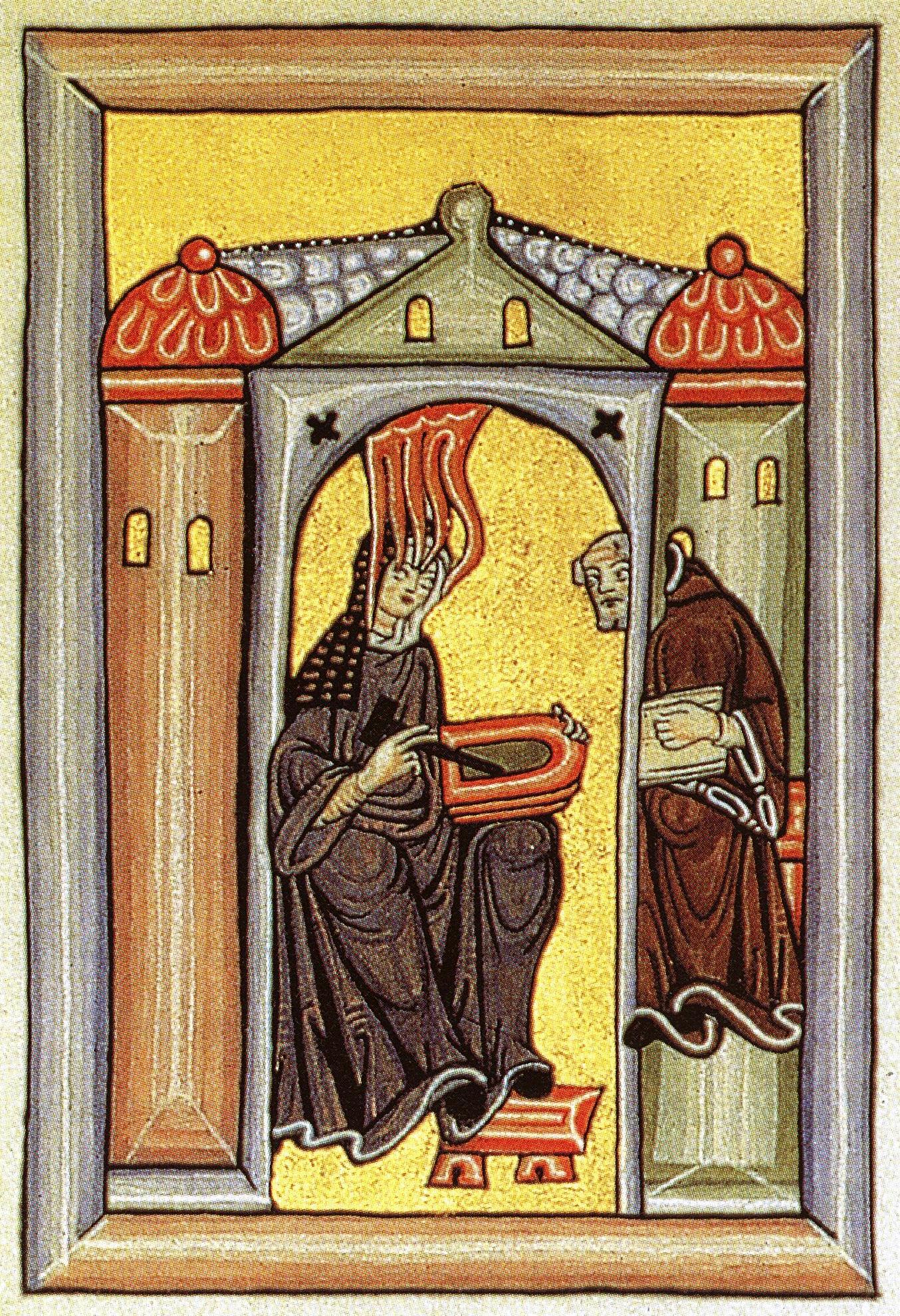
In the cultural crosscurrents of early 5th-century North Africa, Synesius of Cyrene—a Neoplatonic philosopher who would eventually become a Christian bishop—penned one of the most remarkable and sophisticated treatises on the nature of sleep: De Insomniis (On Dreams). Far from being a mere catalog of dream symbols, Synesius’s work is a profound "psychophysical" investigation into the Pneuma (the spirit-vehicle) and its role as the primary "mirror" for both divine revelation and psychological projection.
At the heart of Synesius’s esoteric psychology is the concept of the Pneumatic Vehicle (Pneumatikon Ochema). This is the subtle, airy "chariot" of the soul, a substance that stands midway between the immaterial intellect and the dense material body. For Synesius, the Pneuma is the "seat of the imagination" (Phantastikon). It is a highly sensitive, plastic medium that is constantly being "impressed" by the thoughts of the mind, the sensations of the body, and the emanations of the stars.
To understand the alchemy of dreams is to recognize that in sleep, the Pneuma is liberated from the "static" of the physical senses. As the body rests, the Pneumatic Vehicle becomes a clear, undisturbed mirror. If the Pneuma is purified and calm, it can receive "unveilings" from the Divine Mind, reflecting the future or the higher laws of the cosmos. However, if the Pneuma is "turbid" or "heavy" with material passions, it reflects only the chaotic "residue" of our earthly desires. This is the "High Perplexity" of Synesius: the dream is not an external message, but a self-revelation of the soul's own energetic state.
The "burstiness" of the dream state is characterized by the Imagination's Sovereignty. Synesius teaches that in the world of dreams, the soul is no longer a spectator of reality, but its architect. The "Phantastikon" is the faculty through which the soul "paints" its own landscapes, creating a "Barzakh" (to use the later Sufi term) where meaning and form are one. In a dream, a single "spark" of inspiration can explode into a vast, intricate narrative, compressing time and space into a single, intense moment of perception.
Synesius’s approach to Divination through Dreams is radically democratic. Unlike the elaborate, institutional rituals of the state oracles, dream-divination is available to every individual who has the courage to "watch their own mirror." He calls it the "easiest and most universal" way of accessing the sacred. However, he warns that this requires a disciplined "cultivation of the Pneuma." One must live a life of philosophical temperance to ensure that the "chariot" remains a "luminous" and "dry" vehicle for the spirit.
From a scholarly perspective, Synesius’s work is a bridge between the Hellenistic "Science of Dreams" and the medieval Neoplatonic tradition. He was a student of the legendary Hypatia of Alexandria, and his work reflects her emphasis on the "Mathematical Harmony" of the soul. He taught that the dream is a "mathematical proportion" of the psyche—a visible expression of the invisible ratios that govern our being.
The "High Perplexity" of De Insomniis is the idea that the Pneuma itself is "malleable." We can "sculpt" our dream-life through our waking actions and thoughts. By focusing the mind on "sovereign thoughts" during the day, we "charge" the Pneuma with a high-frequency light that will illuminate our nights. The dream is the "laboratory" where we can test the strength of our own philosophical convictions. It is the place where we discover who we truly are when the "mask" of the social self is removed.
In the late 2020s, as we find ourselves increasingly immersed in the "synthetic dreams" of the digital matrix, Synesius’s call to "Reclaim the Phantastikon" is a profound act of spiritual resistance. Our modern world seeks to "colonize" our imagination with external images and narratives. Synesius reminds us that the true "Virtual Reality" is the one generated by our own Pneuma. To master our dreams is to master our own "vibrational signature."
To enter the world of Synesius is to recognize that sleep is not a "death," but a "higher life." It is the time when the soul returns to its "Pneumatic Home" to be recalibrated and refreshed. Through the alchemy of dreams, we learn to "read the script of the stars" within the depths of our own awareness. The "Chariot of the Pneuma" is always ready; the only question is whether we are "awake" enough to drive it.
Related Esoteric Inquiries:
- Ibn Arabi and the Bezels of Wisdom: The Ring of Joseph and the Wisdom of Light
- The Neoplatonic Olympiodorus: The Alchemy of the Soul, the Commentary on Plato's Gorgias, and the Athenian Twilight
- Porphyry and the Alchemy of the Body: On Abstinence from Animal Food
Lux Esoterica.
2026.


Comments