The 4 Watchtowers: 1 - Raphael and the Rising Sun of the East
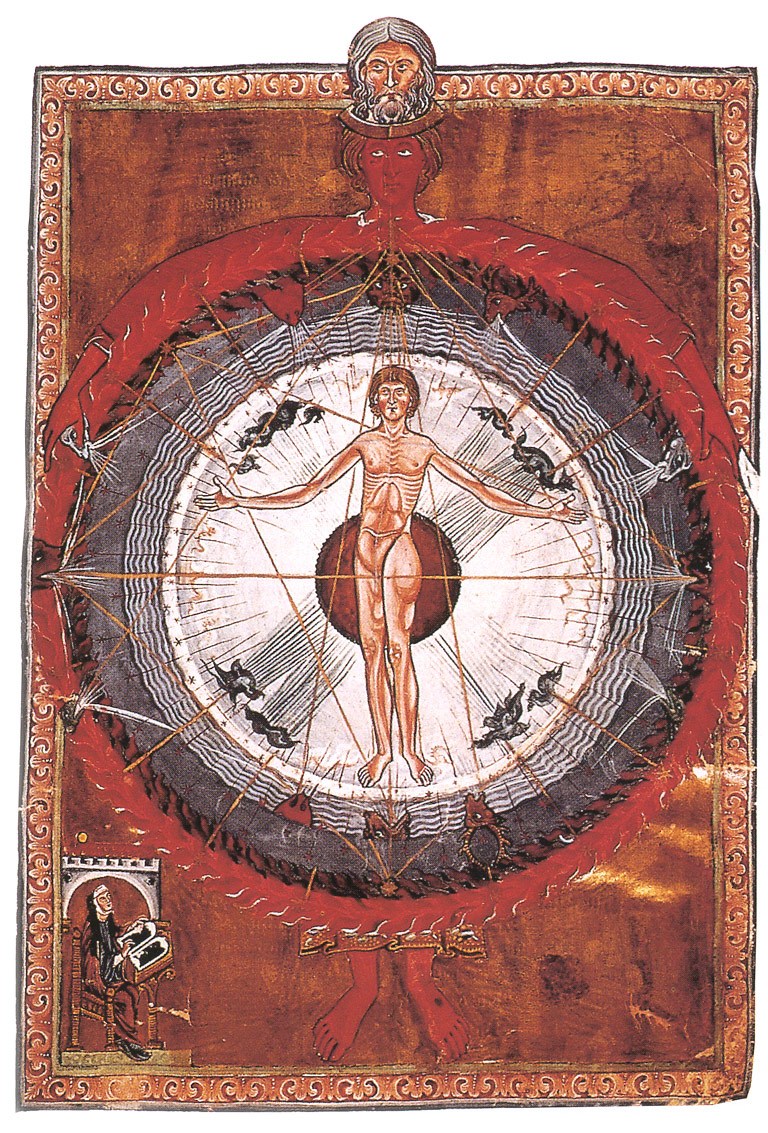
In many Western ceremonial traditions, a magic circle is set up by facing the four quarters of the compass. Each direction is linked with an element, a color, a tool and a spiritual guardian. The East, where the sun rises, is usually associated with the element of air, with new beginnings and with the power of the mind.
In the system taught by the Hermetic Order of the Golden Dawn, which drew on the Enochian material of John Dee and Edward Kelley, the East is guarded by the archangel Raphael. This post explores that image as a symbol of clarity and healing.
The tradition of the four watchtowers is a later framework built on earlier sources. It belongs to the esoteric practice of the late nineteenth and early twentieth centuries, and it gives students a structured way to organize their ritual space. Like the other symbols in this series, it is best read as a meaningful teaching rather than as a proven fact about the universe.
Raphael and the Name of Healing
The name Raphael is often explained as "God heals" or "God has healed." It appears in the Book of Tobit, where the angel Raphael guides a young man named Tobias on a journey, heals his father's blindness and helps him find a wife. This story gives Raphael a reputation as a companion for travelers and a healer of sight.
In esoteric writing, Raphael becomes a guide for the mind. The healing he offers is not only physical. It is the restoration of inner vision, the ability to see clearly what is in front of us. When the East is invoked, the practitioner asks for this clarity.
The Air of the Morning
The element of air is linked with breath, thought, communication and the movement of ideas. In the esoteric system, the East is where the sun rises, so it becomes a symbol of new understanding. Morning air is fresh and light, and its image suggests the lifting of the night's confusion. Many students imagine a gentle breeze clearing the mind after a long sleep.
This symbolism can be applied directly. Opening a window in the morning, taking a few slow breaths and noticing the first light can become a small ritual of renewal. The East invites us to begin the day with a clear head.
Breath and Attention
Practitioners who work with the East often use breath as a bridge between body and mind. A common exercise is to inhale slowly while imagining fresh air entering the lungs and carrying a sense of clarity. On the exhale, the student may picture the mists of confusion leaving the body. The repetition of this simple cycle can steady the attention and calm the nervous system.
The aim is not to create dramatic sensations. It is to become present, notice the thoughts that arise and let them pass without holding on to them.
Discernment and the Sword of Light
Some traditions use the image of a sword or a blade to describe the power of discernment. The sword of light cuts through confusion and separates what is true from what is merely appealing. In this sense, the East is associated with the faculty that distinguishes and decides. It asks us to see clearly, to speak honestly and to act with a clean intention.
A practical version of this idea is to pause before making an important decision, write down the facts, consider the possible consequences and then choose. The sword of discernment is sharpened by patience and by honest reflection.
Caution About Magical Claims
Some modern books describe the watchtowers as sources of powerful forces that can drive away negative beings, control events or protect against harm. These claims go beyond what the tradition itself teaches, and they can encourage a belief that the world is full of hidden enemies. Anxiety and superstition can grow when we imagine that every difficulty is an attack.
A healthier approach is to treat the watchtowers as symbols of attention, balance and inner order. When a person feels distressed, they should seek practical help, rest and support from friends or professionals rather than relying on ritual alone.
A Simple Practice for the Morning
A short practice can bring the East into daily life. Stand or sit facing the direction of sunrise, if you can. Take three slow breaths. With each inhale, think of a quality you want to cultivate, such as clarity, honesty or kindness. With each exhale, let go of one worry from the night. Then begin your day with one small intention that you can keep.
This practice takes only a few minutes, and it can be repeated each day. Over time, it can become a reliable way to meet the morning with openness.
Closing
The East, guarded by Raphael in the tradition of the watchtowers, stands for the rising sun, the fresh air of morning and the clear light of the mind. It reminds us that healing begins with seeing clearly and that each day offers a new beginning.
Whether we treat this symbol as a spiritual teaching, as a meditation or as a reminder to breathe deeply, it offers a gentle invitation: face the morning with a steady heart and a clear intention.
Related Esoteric Inquiries
- The 4 Watchtowers: 4 - Uriel and the Midnight Earth of the North
- The 4 Watchtowers: 3 - Gabriel and the Setting Sun of the West
- The 4 Watchtowers: 2 - Michael and the Noon-Day Fire of the South
Lux Esoterica.
2026.


Comments