The Book of Saint Cyprian (Liber Officiorum Spirituum): Iberian Folk Magic, the Treasure-Hunter's Guide, and the Conversion of the Sorcerer
The Grimoire of the Sorcerer Saint
In the rich tapestry of Western folk magic, few figures occupy a more complex and paradoxical position than Saint Cyprian of Antioch. Known in Christian hagiography as a third-century martyr who, prior to his conversion, was a powerful pagan sorcerer, Cyprian became the patron saint of magicians, necromancers, and treasure hunters. The primary document of this tradition is the work known as the Book of Saint Cyprian (in Spanish, El Libro de San Cipriano; in Portuguese, O Livro de São Cipriano), a grimoire that claims to represent the personal magical diary of the saint from his pre-Christian days, filled with the secrets of conjuration, talismanic magic, and the discovery of hidden wealth. According to legend, the manuscript was discovered in the Vatican archives by a mythical German monk named Jonas Sufurino, who claimed to have been guided to a hidden chest containing the original Hebrew scrolls by a demonic spirit he had summoned. Sufurino supposedly translated these scrolls into Latin, establishing the text that would later circulate in Spanish and Portuguese translations.
Unlike the high ceremonial magic of the northern European grimoires, the Book of Saint Cyprian is a living folk document. It did not remain confined to scholarly libraries or private collections of occultists; instead, it circulated widely across the Iberian Peninsula and Latin America in cheap, popular editions that were read by rural peasants, urban curanderos, and local treasure hunters. The book is a fascinating hybrid, blending traditional Solomonic conjurations and list of spirits (often drawing upon the Liber Officiorum Spirituum) with local Celtic and Iberian folklore, Catholic prayers, and practical agricultural magic. To the historian of esotericism, the Book of Saint Cyprian represents a unique synthesis of the sacred and the profane. It operates under a dual authority, invoking the prestige of Cyprian’s magical knowledge alongside his sanctified status within the Church. This duality allowed the book to survive in highly religious communities, where the practice of magic was officially condemned but practically integrated into the daily struggle for survival and prosperity.
The Iberian Synthesis: Spanish and Portuguese Folk Magic
The geographic and cultural home of the Book of Saint Cyprian is the Iberian Peninsula, particularly the rural regions of Galicia in northern Spain and the Minho province in northern Portugal. These areas, characterized by their dense forests, ancient stone monuments, and rich oral traditions, preserved a deep layer of pre-Christian Celtic folklore that merged with the Catholic faith. The Book of Saint Cyprian became the ultimate textbook for this syncretic magic.
The grimoire did not exist in a single, stable edition. Instead, it was published in a variety of local versions by print shops in Santiago de Compostela, Barcelona, Porto, and Lisbon under titles such as El tesoro del hechicero (The Sorcerer's Treasure) or El libro de la magia roja (The Book of Red Magic), often containing additions from regional folk practices. The most famous of these is the Portuguese Livro de São Cipriano, which was printed in various popular formats throughout the nineteenth and twentieth centuries, often bound in cheap paper covers and sold at local markets. These editions contain instructions for curing diseases, casting love spells, protecting crops from pests, and warding off the evil eye, alongside the more dramatic rituals of spirit conjuration. The magic of the book is deeply practical, addressing the immediate, material needs of the rural population. The book also became associated with the bruxas (witches) and feiticeiros (sorcerers) of the Iberian countryside. To possess a copy of "the Cyprian" was to hold a key to the unseen world, granting the owner a degree of spiritual authority that was both respected and feared by their neighbors.
The Treasure-Hunter's Guide: Finding the Hidden Wealth of the Earth
The most popular and widely practiced aspect of the Book of Saint Cyprian is its focus on treasure hunting. In Spain and Portugal, the book was utilized by practitioners known as desencantadores (disenchanters) to locate and retrieve the hidden treasures that were believed to have been buried by the Moors during the Reconquista, or hidden by ancient peoples within Celtic burial mounds (mamoas) and Roman ruins. The presence of these treasures was often indicated by the luz del tesoro—a faint, green flame that was said to burn over the earth on dark nights.
According to the grimoire, these treasures were not merely lost objects; they were "enchanted" (encantados), protected by magical curses and guarded by elemental spirits, giants, or monstrous serpents. To retrieve the gold, the treasure hunter had to perform a specific ritual of disenchantment. The Book of Saint Cyprian provides detailed instructions for these operations, including the drawing of the magic circle, the recitation of the "prayer of the treasure," the carrying of a hazel wand or a protective amulet of rue and garlic, the burning of specific incenses, and the direct invocation of the guardian spirits of the place. The grimoire lists hundreds of specific locations across Spain and Portugal where enchanted treasures were allegedly buried, providing a physical map of the occult geography of the peninsula. The search for these treasures was a high-stakes endeavor, combining physical labor with spiritual warfare. The treasure hunter had to maintain absolute silence during the dig; the text warns that if a single word was spoken or if the circle was breached, the treasure would immediately vanish or sink deeper into the earth, and the operators would be attacked by the furious guardians, who would drag them into the subterranean vaults, trapping them in the eternal darkness of the underworld.
The Conversion Narrative: The Dual Faith of the Sorcerer Saint
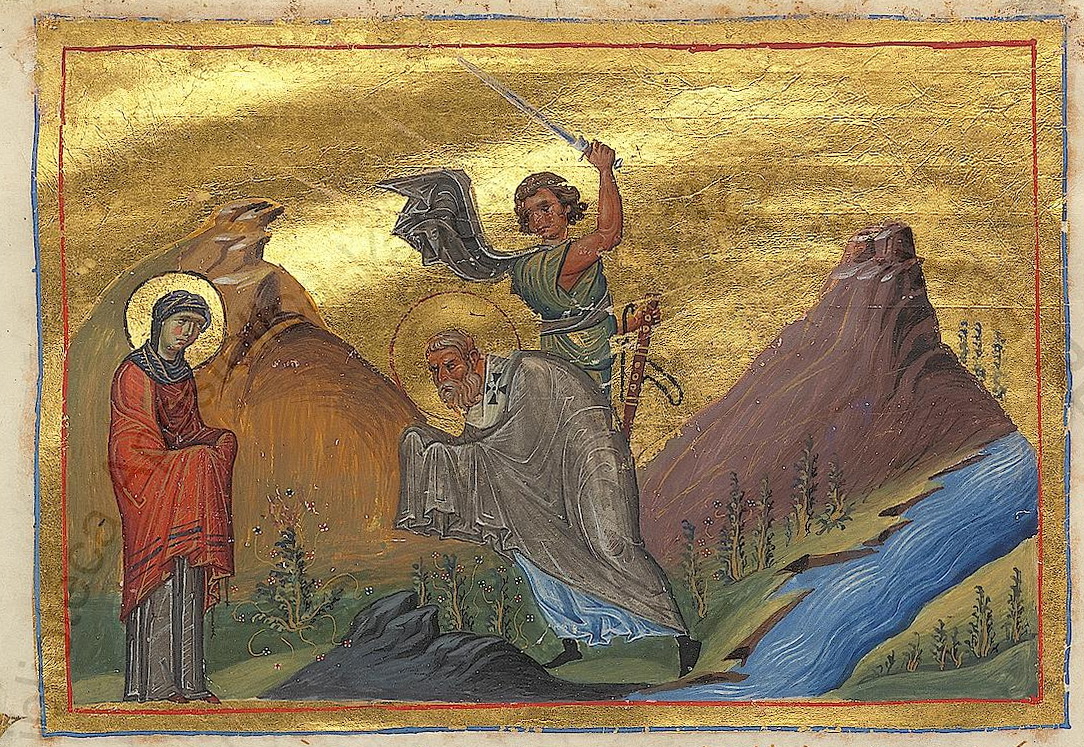
The intellectual and spiritual depth of the Book of Saint Cyprian lies in the narrative of the saint's conversion, which is frequently printed at the beginning of the grimoire. According to the legend, Cyprian was an accomplished sorcerer who traveled to Egypt, Greece, and Babylon to master the occult arts, eventually establishing a pact with the devil. However, when he attempted to use his magic to compel a devout Christian virgin named Justina to love a pagan nobleman, his spells were broken by Justina's sign of the cross. Recognizing the superior power of the Christian God, Cyprian repented, burned his magical books, converted to Christianity, and eventually died as a martyr alongside Justina.
This conversion narrative serves a dual purpose within the grimoire. For the Church, it is a story of repentance and the triumph of faith over sorcery. But for the magician, it establishes Cyprian’s unique authority, aligning closely with the standard Catholic office of the exorcist. Cyprian has known both paths: he has ruled the spirits of the abyss through the pact, and he has received the divine grace of the saint. The magician who uses the book is not practicing black magic; they are following the path of the "sorcerer saint," utilizing his pre-conversion sigils and methods for practical magic while relying on his post-conversion prayers and saintly protection to shield them from the consequences. This dual faith allowed the grimoire to operate within a highly religious worldview, balancing the dark and light paths of human experience.
Esoteric Analysis: Alchemical Conversion and the Integration of Shadows
From a Hermetic and alchemical perspective, the transformation of Cyprian from a sorcerer of the dark to a saint of the light is a symbol of the purification of the magical will. In the Hermetic cosmology, magic is the art of directing the subtle forces of nature through the focus of the human intellect. However, if the magician’s will is driven by ego, greed, or the desire for control (as was the pre-conversion Cyprian), their work is bound to the heavy, chaotic regions of the astral light.
The conversion of Cyprian represents the alchemical stage of Separation and Purification. By recognizing the superior power of the divine order (represented by Justina's faith), Cyprian submits his individual will to the universal will of the Creator. His magical knowledge is not destroyed; rather, it is refined and elevated, transforming him from a master of coercion into a channel of divine grace. On a psychological level, the "dual faith" of the grimoire represents the integration of the shadow—the reconciliation of the conscious intellect and the unconscious depths of the mind. By integrating the shadow rather than suppressing it, the practitioner achieves a state of spiritual wholeness, which is the true foundation of magical power. The Book of Saint Cyprian challenges the practitioner to undergo this same transformation: to use the practical tools of the grimoire not as an end in themselves, but as a method for aligning their material life with the spiritual law, transforming the base lead of human desire into the gold of spiritual illumination.
Related Esoteric Inquiries:
- The Metamorphosis of Saint Cyprian: From Necromancer Saint to Folk Grimoire Legend
- The Sworn Book of Honorius: The Liber Juratus Honorii and Medieval Angelic Magic
- Geometry of the Will: Visual Semiotics and Sacred Alphabets in Grimoire Magic
Lux Esoterica.
2026.


Comments