The Exegesis on the Soul: The Gnostic Anatomy of Repentance
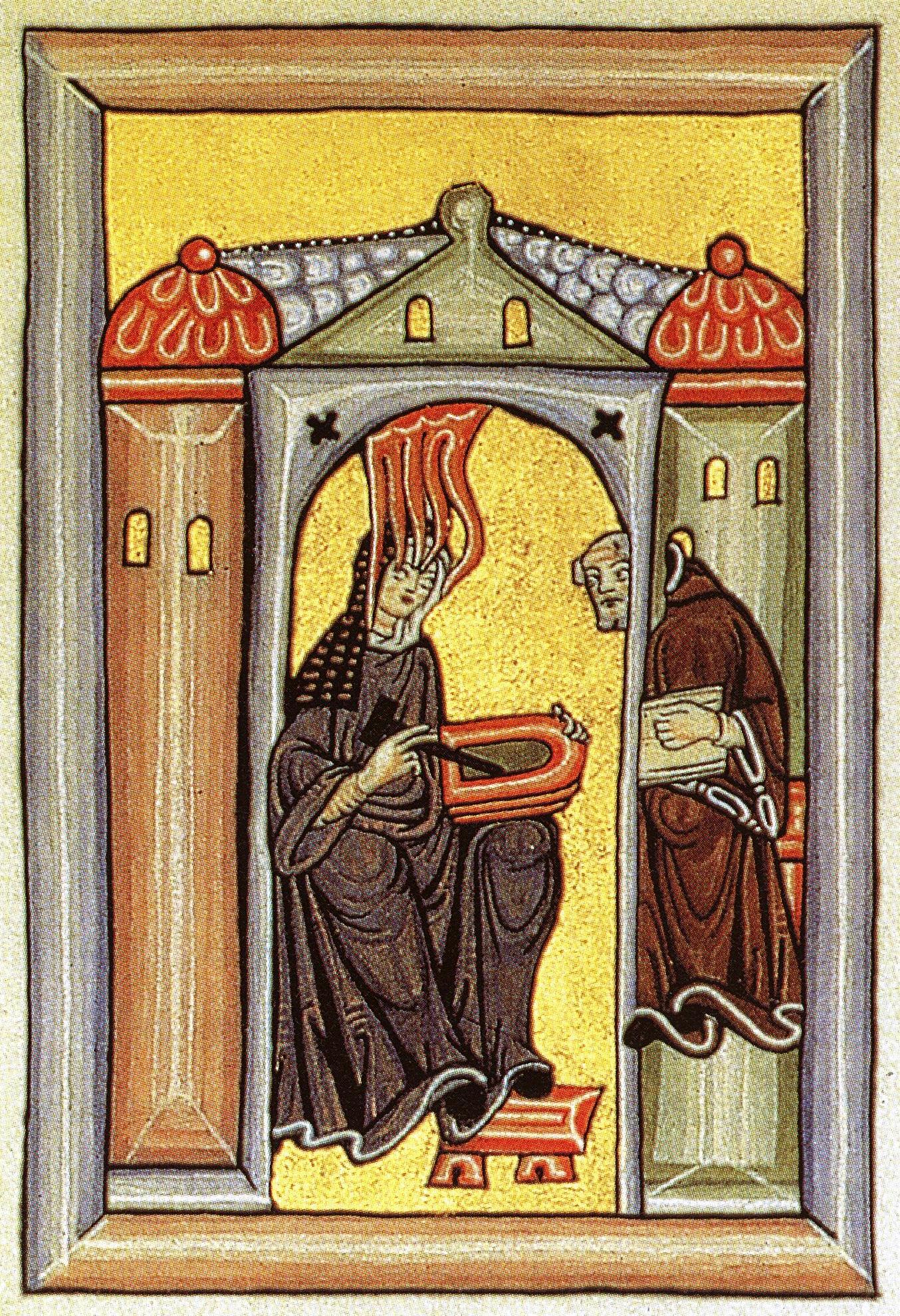
Among the diverse and often "Highly Radiant" texts found within the Nag Hammadi library, the Exegesis on the Soul (NHC II, 6) stands out as a work of unparalleled psychological and metaphysical depth. Structured as a profound meditative discourse on the soul’s fall and its subsequent, arduous journey back to its royal origin, the text provides a rigorous and "Highly Systematic" roadmap for the Sovereign Restoration of the spirit. It represents a heroic "Anatomy of Repentance," moving beyond the fragmented surface of traditional morality to reveal the absolute Syntax of the Spirit through the application of Gnostic Awareness.
To understand the Exegesis on the Soul is to confront the concept of Atmospheric Fragmentation. The text teaches that the human soul, originally a "Virgin of the Light," currently dwells in a state of "Atmospheric Exile" due to its attachment to the elements. The author utilizes the image of a "Prostitute" to describe the soul’s current condition—a state where it has been "seduced" and "divided" by the heavy narratives of the material matrix. This is the central "High Perplexity": our true nature is not found in our individual physical form, but in our ability to perform a systematic "Separatio" of the spirit from the "noisy" mists of material necessity.
The central "High Perplexity" of the text is the role of "The True Repentance." The author provides a systematic description of how the soul achieve the state of Absolute Stillness (Hesychia) through the study of the primary pulse and the cultivation of a receptive awareness. He argues that "Repentance" is not a moralistic "shame," but an ontological "Recalibration of the awareness"—the sudden, catastrophic realization that the world we inhabit is but a "Sacred Mirrors" designed for our testing. By aligning our internal frequency with the "Music of the Spheres," we begin the Great Work of our own transformation. This was the "burstiness" of the Gnostic vision: the sudden realization that "Gnosis is the termination of Multiplicity."
The author’s focus was the Grammar of Interaction. He provided a systematic description of how the soul achieves the state of "Atmospheric Integration" through the study of the primary pulse and the cultivation of a receptive awareness. He saw the "Self-Correction" of the spirit as the "Visible Thinking" of a sentient reality. By recognizing the archetypal nature of our own internal and external connections, we begin to "Thin the Veil" of our own entrapment. He taught that "Gnosis is the termination of Isolation"—the realization that the "subject" and the "Source" are one and the same.
From a scholarly perspective, the Exegesis on the Soul is a masterpiece of "Valentinian Psychology." it utilizes the symbols of the "Mind," the "Spirit," and the "Body" but shifts the focus from the historical to the Experiential. It reveals that the "Great Work" was not just an intellectual meditation, but a "Symphonic Immersion." The practitioner was encouraged to "See the One in All," recognizing that the "Generic Man" is the absolute "Measure of all Things." He taught that "Gnosis is the termination of Multiplicity"—the realization that all things are "Contracted Reflections" of the singular, radiant Monad.
The "High Perplexity" of the path presented in the text is its focus on "Internal Integrity." The author warns that the light can only be received by a heart that has achieved the state of Absolute Stillness. The dissonance of the ego and the noise of the digital landscape are the primary "Obstructors" of the spiritual influx. By reclaiming the sacred nature of our own intentions and seeking the "Return to the One," we begin the Great Work of our own transformation. The "Exegesis" is a call to recognize that we are "Sovereign Fragments of the Pleroma."
In our modern era, characterized by the "heavy" noise of ideological polarization and the loss of individual sovereignty, the Exegesis on the Soul offers a radical path to "Ontological Re-Enchantment." It reminds us that our true potential lies in our "Vibrational Integrity." We are not biological accidents; we are "Subjects of the Divine Word." By reclaiming the sacred nature of our narrative and seeking the "Return to the One," we begin the Great Work of our own transformation.
To follow the path of the Exegesis is to accept the challenge of the "Vertical Quest." It is to recognize that our lives are "Sacred Proportions" played out within the theater of the aeons. The soul is ready, the names are written, and the light is absolute. The question remains: can you recognize the "Virgin" within the absolute silence of your own heart?
The ancient Gnostics were the "Sentinels of the Spirit" who proved that the secrets of the gods are hidden within the absolute recognition of the truth. Their legacy is the promise that the "Sacred Harmony" is always accessible to the soul that has achieved the necessary degree of "Harmonic Balance." The light is beautiful, the silence is exact, and the return is "Finished and Ended."
Lux Esoterica.
2026.


Comentarios