The Myth of Pandora's Box: Hope, Curiosity, and the Origin of Human Suffering
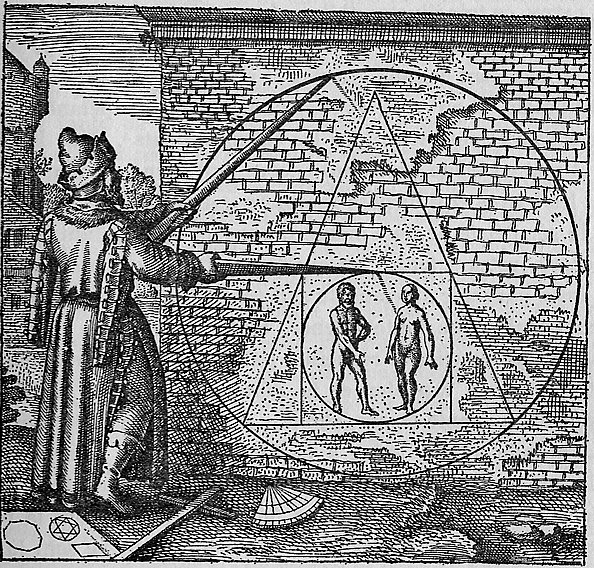
The Creation of the First Woman
In the mythological narratives of ancient Greece, where the gods of Olympus govern the forces of nature with arbitrary authority, the creation of the first woman was not a blessing, but a divine punishment. Following the rebellion of Prometheus, who stole the sacred fire from heaven to deliver it to humanity, Zeus resolved to punish the human race and their Titan protector. He commanded the master craftsman Hephaestus to fashion a woman from the clay of the earth, making her in the image of the immortal goddesses.
This woman was named Pandora, which translates to "All-Gifted." Each of the Olympians granted her a specific gift: Aphrodite gave her beauty and desire, Hermes gave her a cunning mind and persuasive speech, Apollo gave her the gift of music, and Athena clothed her in rich garments. However, Zeus also planted within her a deep, insatiable curiosity. When she was sent to the earth, she was given a sealed jar (later translated as a box) containing all the evils, diseases, and suffering of the world. She was presented to Prometheus's brother, Epimetheus ("Hindsight"), who, despite his brother's warnings to reject any gifts from Olympus, welcomed her into his dwelling. The subsequent opening of the jar is the central tragedy of the myth, representing the entry of duality, suffering, and mortality into the sublunary world.
The Jar of Evils: The Descent into Duality
The vessel carried by Pandora is historically described as a pithos—a large clay jar used in ancient Greece to store grain, oil, or wine, rather than a small cosmetic box.
The clay jar is a powerful symbol in Hermetic and Gnostic cosmology: it represents the physical universe and the material body of humanity, a container fashioned from the base elements of the earth to hold the forces of life and death. When Pandora, driven by her curiosity, opened the lid of the jar, she released the forces of suffering, division, and decay into the sublunary world.
This release is the symbol of the descent of the soul into duality. Before the opening of the jar, humanity lived in a state of primordial unity, free from labor, disease, and the passage of time—a state corresponding to the Golden Age. The escape of the evils represents the fragmentation of this unity: the soul is exposed to the conflicting forces of the material elements, experiencing the storms of fate (heimarmene) and the limitations of the physical form. The evils are the planetary influences that bind the spirit to the cycle of generation and decay, forcing the human being to undergo the long, painful process of purification.
Hope at the Bottom of the Jar: The Divine Spark
Despite the escape of all the evils and diseases, the myth records that one thing remained trapped at the bottom of the jar, prevented from escaping by the closing of the lid: Hope (Elpis).
The presence of Hope at the bottom of the vessel has been interpreted by philosophers for centuries. In the Gnostic reading of the myth, Hope is the symbol of the divine spark (pneuma) that remains within the material vessel of the body. Even though the physical world is filled with suffering and the illusions of the Demiurge, the human being contains a hidden, spiritual principle that connects them back to the divine source. Hope is the memory of the soul's native home in the higher realms of light, a constant guide that prevents the seeker from falling into absolute despair in the midst of the material world. It is the seed of regeneration, the potential gold that remains in the blackness of the crucible (nigredo), waiting to be cultivated and refined.
Legacy: The Vessel in the Western Mind
The myth of Pandora and her box remains one of the most powerful and persistent symbols in the history of Western culture, shaping the development of theology, literature, and psychology.
In the Renaissance, the humanists utilized the image of Pandora to represent the dangers of curiosity and the fragility of human happiness. The analytical psychologists, notably Carl Jung, interpreted the opening of the jar as an allegory of the birth of consciousness: the individual must leave the unconscious state of the Golden Age, confronting the conflicts and suffering of the world in order to develop their own moral sovereignty. The legacy of the first woman is a permanent guide for the contemplative seeker: a reminder that the search for the divine light requires the courage to face the suffering of the material world, the patience to cultivate the hope that lies at the bottom of the soul, and the dedication to translate the conflicts of life into the final harmony of the spirit.
Lux Esoterica.
2026.


Comentarios