The Pistis Sophia and the 13th Aeon: The Luminous Boundary
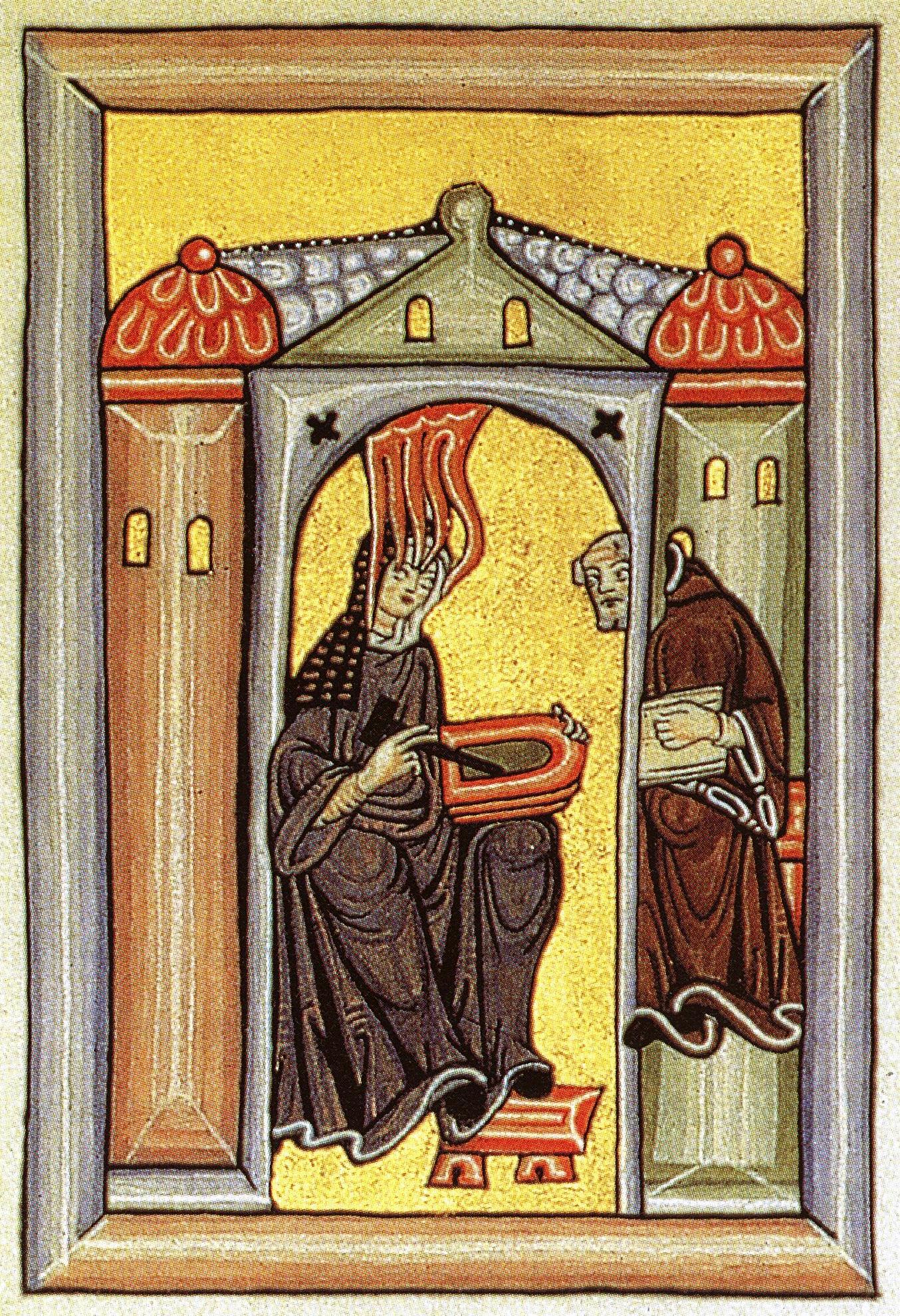
A manuscript passed through the hands of London collectors in the eighteenth century before anyone could read it. A physician and book lover named Anthony Askew owned it, and after his death it passed, by way of a sale, to the British Library's predecessor, the British Museum.
It was written in Coptic, the language of Christian Egypt, and it turned out to be a long dialogue between the risen Jesus and his disciples about the structure of the heavens. The work is called Pistis Sophia, "Faith-Wisdom," and one of its most striking ideas is a heavenly place called the Thirteenth Aeon.
Not from Nag Hammadi
A correction is useful at the start. The Pistis Sophia is often grouped with the books of Nag Hammadi, but it is not one of them. The Nag Hammadi library was found in Egypt in 1945. The Pistis Sophia survives in the Askew Codex, which was known in Europe nearly two centuries earlier.
The manuscript is Coptic, from around the fourth century, and the work itself is thought to have been composed in Greek perhaps in the third century. It was first published in 1851.
The book is a long, repetitive text divided into several parts, and scholars debate the unity of its sections. It sets the scene after the resurrection, when Jesus remained with his disciples for eleven years, according to the text, and taught them the deeper mysteries.
The Thirteenth Aeon
The word aeon means an age or an eternal realm. In Gnostic cosmology, aeons are the divine beings and regions between the supreme God and the material world. In the Pistis Sophia, there are twelve aeons that lie below a thirteenth. The Thirteenth Aeon is the highest of them, the borderland between the realms of light and the lower spheres governed by rulers called archons.
Sophia, the Wisdom of the title, belongs there. In this myth, she is not the human soul. She is a divine being whose story is the pattern for the soul's. Treating her as an ordinary person, as some summaries do, misses this.
The Fall of Pistis Sophia
The text tells that Pistis Sophia dwelt in the Thirteenth Aeon and longed to see the Light of Lights, which is the highest realm. Because of this desire, she was misled by a false light, and a power named Authades, whose name means "self-willed," pursued her.
A lion-faced power also attacked. She was driven down into the chaos below, where she was surrounded by darkness, and her light was stolen.
In her distress she sang a series of repentances, thirteen in all, in language borrowed from the Psalms and the Odes of Solomon. The Savior, in the end, hears her and brings her back. She is a figure of the soul's wish to rise, of its mistakes, and of its rescue.
The Disciples
The book is also known for its unusual cast. The questions come from the disciples, and among them Mary Magdalene speaks more than any other. In the text, the Savior praises her as one whose heart is directed toward the kingdom of heaven more than her brothers.
Peter, by contrast, complains that she speaks too much. This tension is found in other Gnostic books, such as the Gospel of Mary, and historians see in it a sign of debates in early Christian communities about authority and about the role of women.
Below the aeons lie the spheres of the archons and of Fate, called Heimarmene. These are the planetary spheres that bind human lives in the old astrological view. The Savior descends through them and changes their courses, so that their power over souls is weakened.
A pious reader is shown a path out of fate, a theme that attracted many in a world that believed the stars ruled destiny.
Reading the Book
The Pistis Sophia is difficult. It has long lists of names, strings of repeated formulae and lengthy ritual passages. It is better approached as a window on early Gnostic thought than as a manual. Different translations vary, and its teachings were judged heretical by the main Church, which makes much of what we know about its use uncertain.
A Word of Care
Texts of this sort have been used to justify strict ascetic regimes or claims of secret rank. Anyone asked to give money or obedience in return for "initiation" into such teachings should be careful. Studying the book as history is safe and rewarding.
Closing
The Thirteenth Aeon is a place at the edge of light, from which a divine being once fell and to which she is called back. The book, once owned by a London doctor, keeps alive an old image of the soul: a wisdom that wanted to see more and lost its way, and a voice that comes down to lead it home.
Related Esoteric Inquiries
- The Pistis Sophia and the 13 Repentances of the Soul
- The Bruce Codex: The Gnostic Liturgy of the Unmanifested
- The Books of Jeu: Gnostic Seals and Sacred Gates
Lux Esoterica.
2026.


Comments