The Enigma of the Boskop Man: The Big-Brained Ancient Hominid
In the early twentieth century, fragments of a large skull were found near Boskop, in what is now South Africa. The find took the name of its place, and the skull became known as Boskop Man. Its cranium seemed to hold a brain far larger than that of modern people, and the discovery quickly became a symbol of a lost human peak.
Its story is also a warning. A first impression can grow into a legend, while later study brings the bones back to earth.
A Skull From the Veld
Only fragments survived, which made reconstruction difficult. The bones came from the dry landscape of the Transvaal region, a place of open grass and rock. Without a complete skeleton, every conclusion about the owner's body and mind depended on a few pieces of bone.
A Brain Larger Than Expected
The first descriptions suggested a cranial capacity above that of most living humans. Later researchers questioned those figures, studied the shape of the fragments, and argued that the skull belonged to a modern human with a sturdy build. Today the Boskop find is generally not regarded as a separate species.
Esoteric Readings
Some esoteric traditions read the large skull as a sign of hidden faculties, such as intuition, deep awareness and a connection to the subtle energies of the Earth. The idea is that the body grows to house an advanced consciousness, and that ancient seers walked the savannas long before written history. These readings are symbolic. They belong to the realm of belief, not to proven history.
The Fossil Silence
The fossil record is full of gaps. Many lineages appear, shift and vanish, and the reasons are often unclear. Boskop fits this picture as an unsolved riddle that invites patience. Some scholars wait for new finds, while others see the case as a lesson in how easily a single skull can inspire a story.
Looking Inward
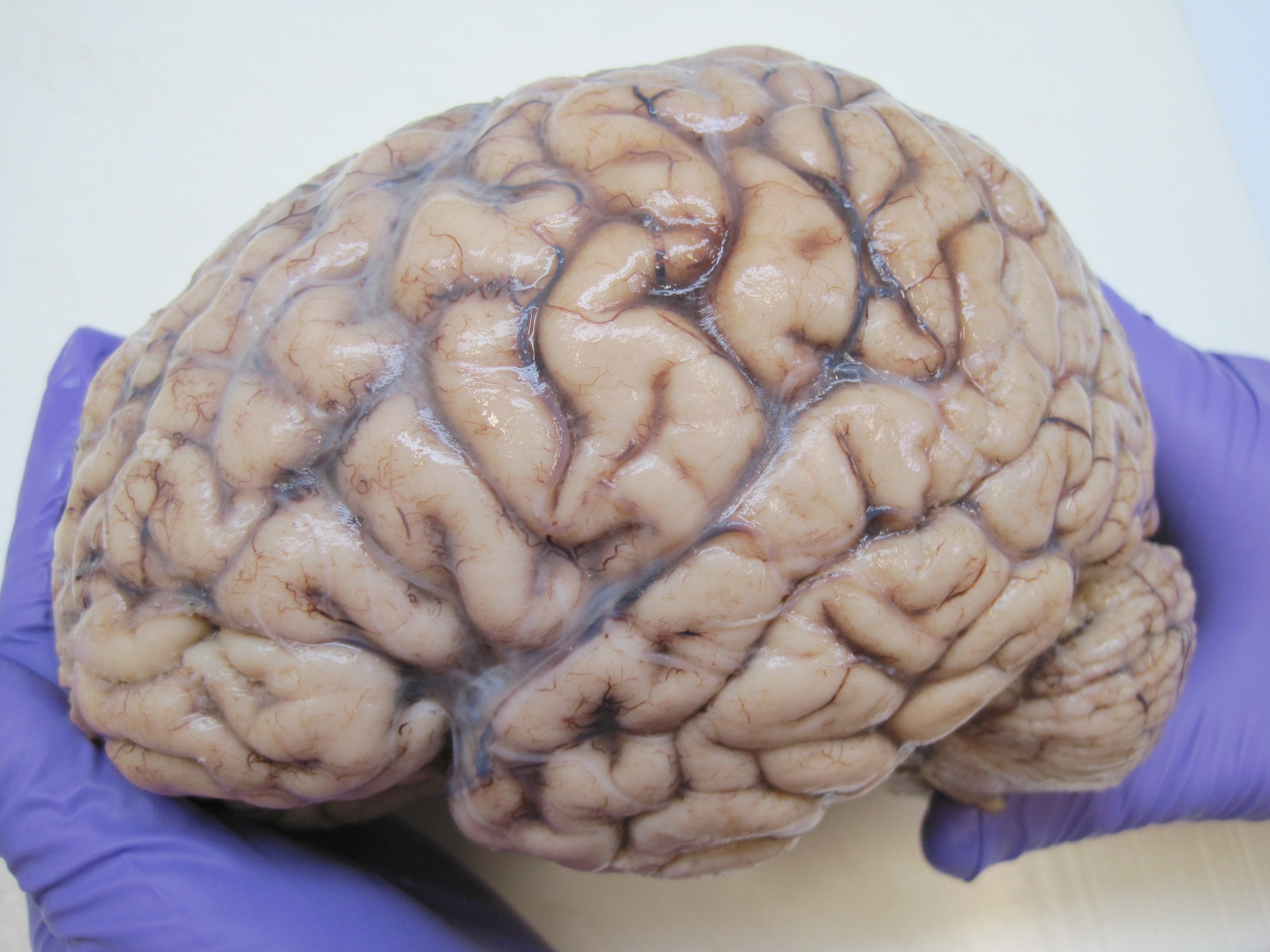
The legend of the big-brained ancestor reminds us how closely mind and body are joined. Whatever the truth of the skull, the human brain remains one of the most complex things we know. Its vastness is not found in ancient bones alone, but in the attention we bring to our own thoughts.
Scholars who study the brain today rely on imaging, comparison and careful measurement rather than legend, and the questions they ask are as deep as any mystery.
Size Is Not the Whole Story
Brain size alone does not reveal what a mind can do. Living people have brains of very different sizes, and the human mind depends on the connections and patterns within it, not only on volume. Early estimates of the Boskop skull were shaped by the expectations of their time, and that is one reason later researchers looked again at the evidence.
Some readers take comfort in the thought that the human mind has room to grow, whatever the size of the skull.
Why the Story Still Matters
The Boskop case shows how research works in practice. A surprising claim is made from limited evidence. Other researchers measure the bones, compare them with other finds and test whether the first conclusion holds. Sometimes the claim survives, and sometimes it fades. Both outcomes are useful. The story teaches patience: a skull can spark a question, but only careful comparison can answer it.
Closing
The Enigma of the Boskop Man is a whisper in the fossil record. It asks whether humanity once had peaks that faded, or whether the true story is simpler than we wish. Either way, the question leads us back to ourselves, to the latent grandeur of the mind, measured not in cubic centimeters but in clarity and care.
Related Esoteric Inquiries
- The Enigma of the Plain of Jars: The Giant Stone Pots
- The Enigma of the Kingoodie Artifact: The Devonian Nail
- The Enigma of the Desert Glass: The Green Sand
Lux Esoterica.
2026.


Comments