The Mystery of the Morphic Resonance: The Invisible Memory of Nature
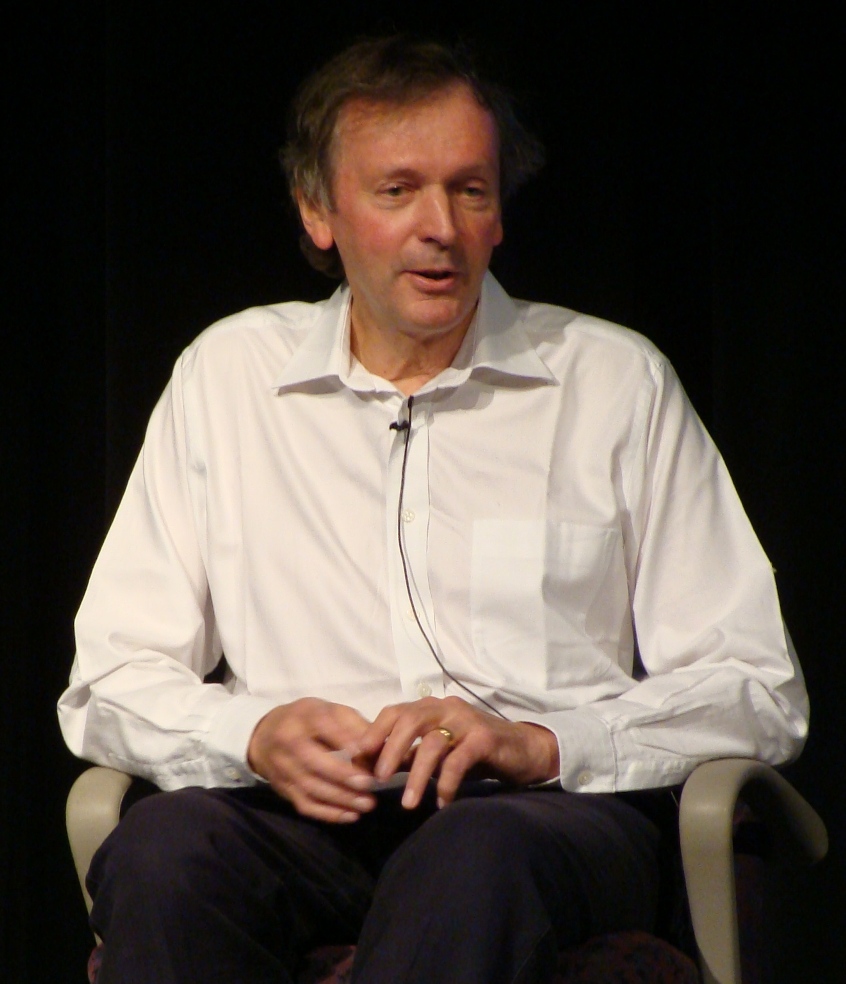
There is an idea that nature keeps a kind of memory, one that does not sit in any object but moves through all living things. It speaks of an ethereal field, a subtle ether that binds living forms across the vast reaches of time and space. The theory is known as morphic resonance.
It was proposed by the biologist Rupert Sheldrake, and it remains controversial. This post explains the idea in its own terms, and then looks at what scientists say about it.
An Invisible Memory in Nature
The theory imagines a hidden web of resonance that shapes living things. It acts as an unseen hand that guides the blooming of a rose and the flight of a sparrow. Within this quiet tapestry, the past experiences of a whole species are said to be recorded, as if on an invisible firmament.
In this sense, the theory is a kind of living archive, a memory without a physical store.
Morphic Resonance and Morphic Fields
In Sheldrake's proposal, each species has a morphic field. Forms and habits that have appeared before are more likely to appear again, because the field carries the pattern forward. Learning, he suggested, could become easier for everyone once a skill has been learned by enough individuals.
The key word is resonance. The past does not push the present from behind. It is called forward through the pull of earlier patterns, much as a tuned string sounds when another string nearby is struck.
The theory is often presented as a bridge between science and spirituality, which explains its appeal to readers who feel that life is more connected than it looks.
Form, Instinct, and Inheritance
Standard biology explains form and instinct through genes, development, and learning. Morphic resonance offers another view: that form and instinct are not only inherited through physical matter, but also breathed into existence by the collective echoes of those who came before.
For believers, this means that every action and thought resonates through subtle realms, moving along the invisible threads of the world soul. Understanding this resonance is seen as a way to perceive the hidden harmony of the cosmos.
Sheldrake's supporters argue that some skills seem easier to learn after they have spread widely. Critics reply that such effects can be explained by culture and practice.
The Akashic Image
The image of an akashic record, a vast invisible library in which all events are stored, is often used to describe this idea. In esoteric traditions, the akashic record is a metaphor for a memory that holds everything that has happened. Morphic resonance borrows the image and places it inside living nature.
The image is powerful, but it is still an image. It belongs to the language of myth and symbol more than to the language of measurement.
What Scientists Say
Most scientists do not accept morphic resonance. The main objection is that the theory has not been supported by reliable experiments. Tests of its predictions have been criticized for weak design and unclear results. Other biologists explain the same patterns with known mechanisms of genetics and learning.
Still, the idea continues to attract readers who feel that life holds more connections than current science can explain.
Anyone can test the idea in a simple way: observe how a habit spreads through a group, and ask whether imitation and culture already explain it.
Closing
Morphic resonance invites us to see nature as a long conversation between the living and the dead. Whether or not the theory is right, it reminds us that each form we see has a history. We are, in a sense, instruments played by a memory that is older than we are.
Related Esoteric Inquiries
- The Akashic Memory of Form and the Resonance of the Spheres
- The Hermetic Arcanum of Jean d'Espagnet: Seventeenth-Century Alchemical Physics, the Secret of the Magnet, and the Contemplation of the Light of Nature
- Telepathic Harmonics: The Morphic Resonance of Swarms
Lux Esoterica.
2026.


Comments