The Secret of the Mokele-mbembe: The Congo Dinosaur
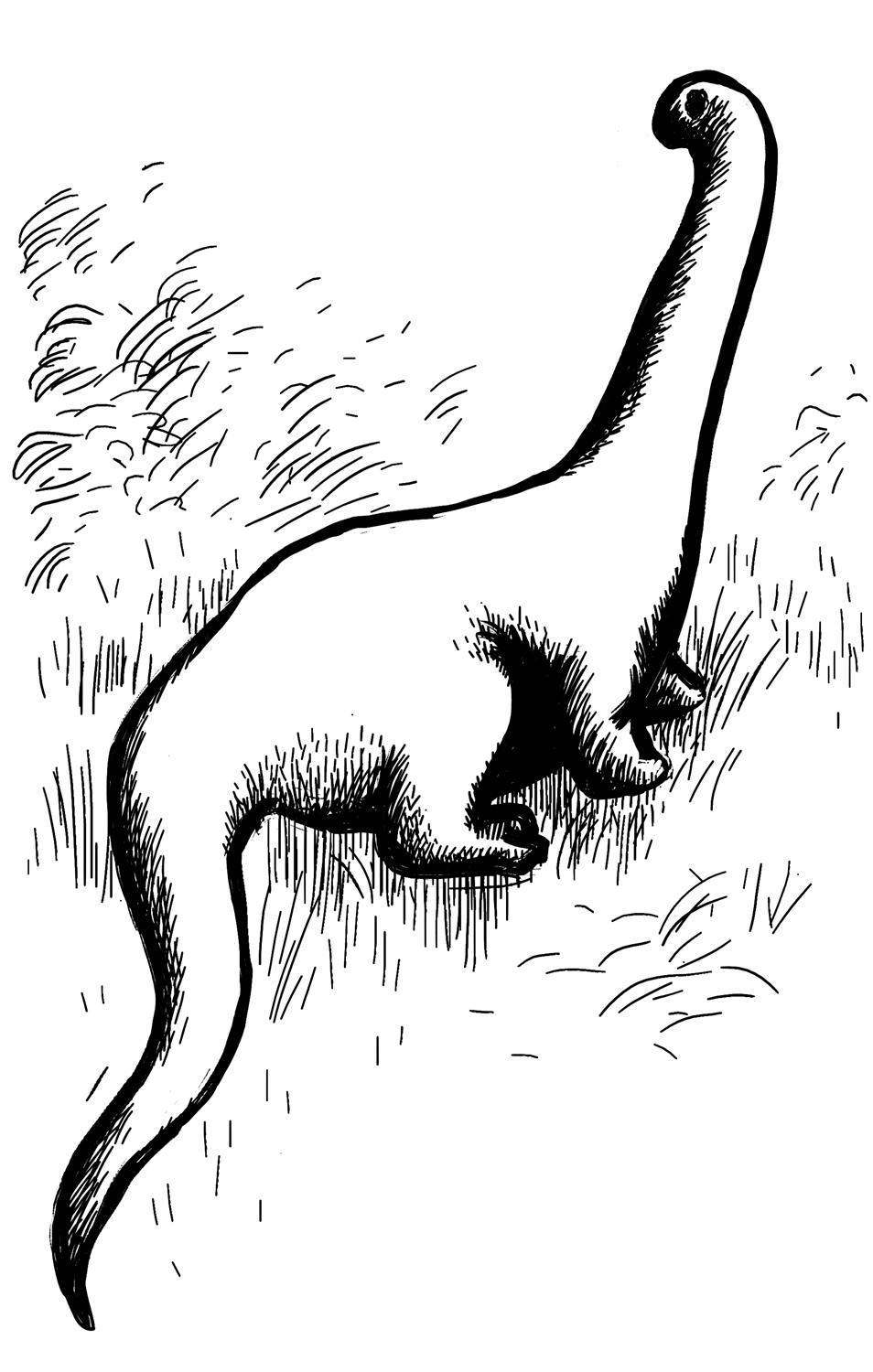
Deep in the swamps and forests of the Congo basin, the legend of the Mokele-mbembe has lasted for generations. Local peoples describe a large, water-dwelling animal with a long neck and a tail. The creature is said to live in quiet lakes and slow rivers, away from the villages, where few people go.
For cryptozoologists, the Mokele-mbembe is one of the most famous unexplained animals. Some believe it may be a surviving sauropod, a group of long-necked dinosaurs that were thought to have died out millions of years ago. The idea is exciting, but it has not been proven.
Where the legend comes from
The name is usually linked with local languages of the region, and it is often said to mean something like "one who stops the flow of rivers." Stories of this kind are passed down through families, fishermen and hunters. They describe a creature that is huge, gentle or dangerous depending on the teller, and that avoids human contact.
These local accounts are important, because they show how a community relates to its rivers and forests. The animal is part of a larger way of understanding the landscape.
What the description suggests
The most common descriptions speak of a long neck, a heavy body and a tail, all seen from a distance in the water. Supporters of the sauropod idea say these details match the body plan of the ancient giants. Critics answer that eyewitness reports are often brief, unclear or influenced by expectations.
The key difference is evidence. A sighting can be a starting point for an investigation, but it does not replace clear physical proof such as bones, tissue or repeated photographs.
Expeditions and evidence
Several expeditions have searched for the Mokele-mbembe over the years. The most famous were led in the 1980s by the zoologist Roy Mackal, who studied the swamps and collected reports. These expeditions produced interesting stories and many questions, but none of them produced a verified specimen.
Scientists also point out that a large animal would need a population, food and a safe habitat to survive for millions of years. Those conditions are hard to explain without clear traces in the fossil or biological record.
Field teams also faced practical limits. The swamps are hard to cross, the weather changes quickly and the people who know the waters are the best guides. Every expedition depends on the trust and knowledge of those who live there, and that dependence is itself part of the legend.
Why the myth still matters
The Mokele-mbembe stays alive because it touches a deep wish: the hope that the planet still holds hidden corners where time has stood still. In this sense, the legend is a symbol of the wild, unexplored places that remain on Earth, and of the respect we owe them.
It also reminds us that local knowledge should be heard with respect. The stories of the people who live beside these rivers are a valuable part of the search, even when the animal itself remains unconfirmed.
For a reader who wants to go further, the best starting point is to compare the old travel accounts with modern studies of the region's wildlife. The contrast shows how a single sighting can become a legend, and how careful science can test that legend.
Closing
The Mokele-mbembe remains a mystery that asks for patience and careful thought. Whether it is a surviving giant, a misidentified animal or a story that grew with each telling, it reminds us that the planet still has secrets. The best approach is to listen closely, look for evidence and keep the wonder alive.
Related Esoteric Inquiries
- The Secret of the Mongolian Death Worm: The Gobi Desert Cryptid
- The Enigma of the Ningen: The Antarctic Humanoid
- The Mystery of the Mapinguary: The Amazonian Megatherium
Lux Esoterica.
2026.


Comments