The Myth of the Sphinx and Oedipus: The Riddle of Man, the Crossroads of Fate, and the Tragedy of Self-Knowledge
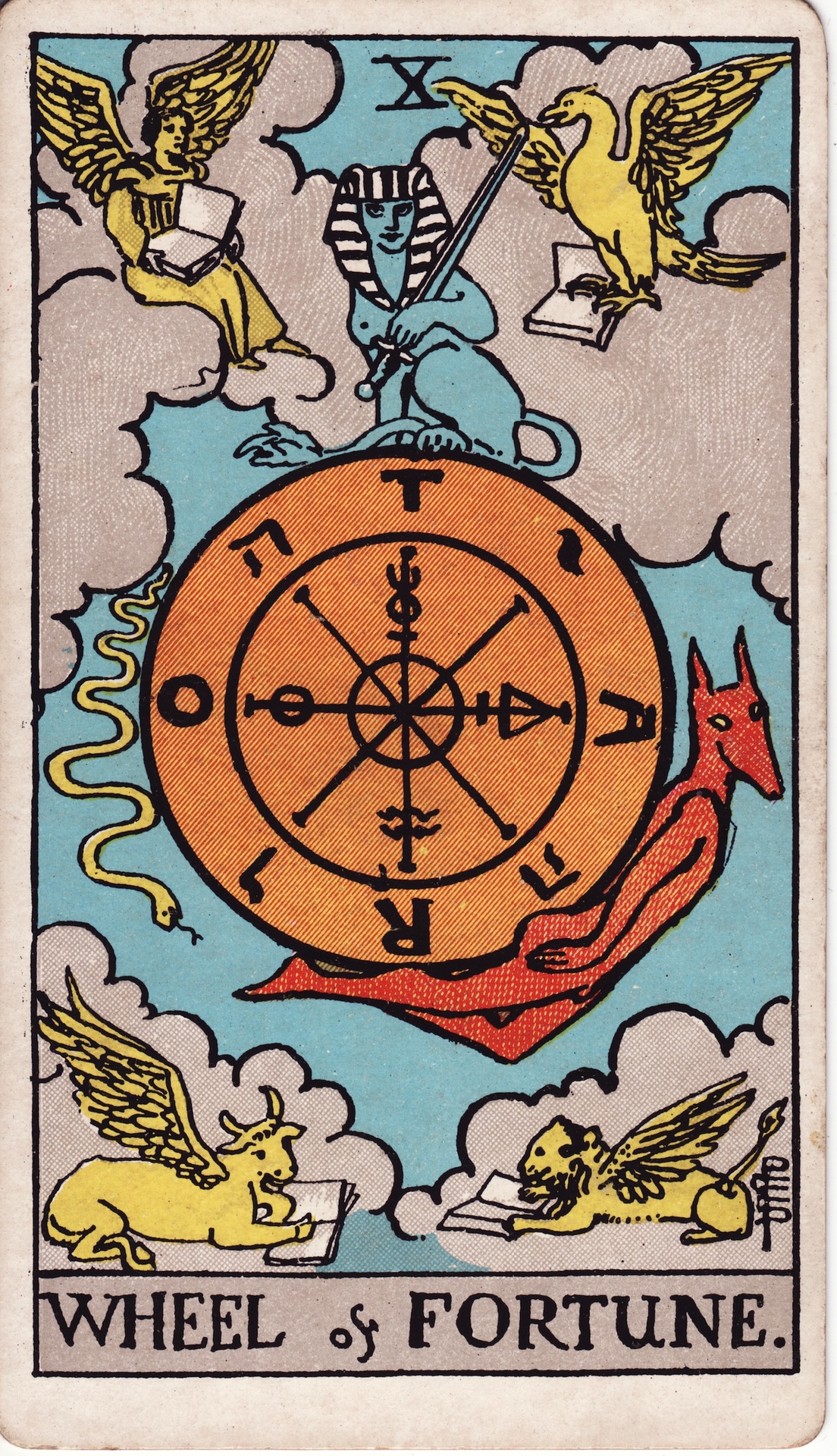
The Guardian of the Gates of Thebes
In the mythological landscape of ancient Greece, where the city of Thebes represents the civic space of human law and social order, a terrifying creature descended from the mountains to govern the access to the city. The Sphinx, sent by the gods as a punishment for the crimes of the royal house, was a hybrid monster: she possessed the body of a lion, the wings of a giant bird, the tail of a serpent, and the head and chest of a woman. Sitting on a high rock near the gates of Thebes, the Sphinx blocked the path of all travelers, presenting them with a single, difficult riddle. Those who could not solve the riddle were immediately strangled and devoured by the beast, leaving the city in a state of absolute siege and spiritual isolation.
The encounter between the Sphinx and the wandering prince Oedipus is not a simple game of words; it is a profound cosmological and psychological drama. Oedipus, whose name translates to "Swollen Foot" (representing the physical weight and limitations of the material body), was a traveler who fled his home in Corinth to escape a terrible prophecy: that he would slay his father and marry his mother. At the crossroads of Phocis, in a fit of rage, he slew an old man in a chariot, unaware that it was his biological father, King Laius of Thebes. His arrival at the gates of the city and his confrontation with the Sphinx represents the ultimate test of the human intellect: the necessity to solve the riddle of existence in order to enter the city of self-government, a quest that leads not to simple glory, but to the tragic recognition of the hidden patterns of fate.
The Riddle of the Sphinx: The Three Phases of Man
When Oedipus approached the rock, the Sphinx presented her famous riddle: "What is it that has one voice, and yet becomes four-footed, two-footed, and three-footed?"
Oedipus, relying solely on his rational intellect, solved the riddle, answering: "It is Man. In infancy, he crawls on four feet; in maturity, he walks upright on two feet; in old age, he uses a staff as a third foot." Upon hearing the correct answer, the Sphinx, defeated and humiliated, cast herself from the cliffs and died, freeing the city of Thebes.
While the literal answer is "man," the riddle carries a deeper, esoteric meaning concerning the structure of the human being. The three phases of movement represent the three levels of reality in the Hermetic and Gnostic systems:
* The four-footed phase is the state of material density—the physical body governed by the four elements (earth, water, air, and fire) and the animal senses.
* The two-footed phase is the state of rational maturity—the development of the intellect and the will, which allows humanity to stand upright and to govern the physical world.
* The three-footed phase is the state of spiritual age—the integration of the mind and the body with the staff of wisdom, which acts as the third support, connecting the seeker to the divine source.
Oedipus's solution was correct on a rational level, but he failed to recognize the deeper, personal application of the riddle: he did not understand that he himself was the man who was wandering through these phases, blind to the true nature of his actions.
The Crossroads of Phocis: The Trap of Fate
The tragedy of Oedipus is set in motion at a specific geographic coordinate: the Crossroads of Phocis, where the three roads from Thebes, Delphi, and Daulis meet.
It was at this triple junction that Oedipus met King Laius, and it was here that he slew him in a dispute over who had the right of way. The crossroads is the universal symbol of choice and fate (heimarmene). In the ancient world, the triple way was sacred to the goddess Hecate, the ruler of the underworld and the threshold of the spirit. The crossroads represents the moment when the human will is confronted with the patterns of destiny: Oedipus believed he was making a free choice to defend his honor and to escape the prophecy, but his choice was the very instrument that fulfilled the divine decree. This is the paradox of the demiurgic laws: the more the ego attempts to escape its fate through external action, the more it binds itself to the wheel of generation and decay.
The Blindness of the Intellect and the Blinding of the Eyes
Following his victory over the Sphinx, Oedipus was welcomed into Thebes as a savior. He was granted the throne of the dead king and married the widowed Queen Jocasta, his biological mother, fulfilling the second part of the prophecy.
For many years, he ruled with wisdom, but when a devastating plague struck the city, the oracle of Delphi declared that the pestilence would only cease when the murderer of Laius was found and expelled. Oedipus, driven by his passion for justice and his confidence in his own intellect, launched a relentless investigation, ignoring the warnings of the blind prophet Tiresias, who told him: "You have your eyes, but you do not see in what a state of misery you are."
The climax of the tragedy is the revelation of the truth. When Oedipus recognized that he was the murderer of his father and the husband of his mother, Jocasta hanged herself in despair. In a fit of grief and self-condemnation, Oedipus took the golden brooches from her dress and plunged them into his own eyes, blinding himself, and went into exile as a wandering beggar.
The blinding of Oedipus is the symbol of the annihilation of the physical sight. As long as Oedipus had his physical eyes, he was spiritually blind, unable to recognize his own identity or the nature of his actions. By blinding himself, he shut out the illusions of the material world, opening his inner sight to the spiritual realities of the soul. He ceased to be a rational king who governed through force, becoming a blind sage who walked in the light of the spirit, guided by his daughter Antigone.
Legacy: The Oedipal Complex and Depth Psychology
The myth of Oedipus and the Sphinx remains one of the most powerful and influential narratives in the Western intellectual tradition, shaping the development of drama, philosophy, and modern psychology.
In the twentieth century, the psychologist Sigmund Freud utilized the myth to formulate his theory of the Oedipus Complex, which presents the child's unconscious desires for the parent of the opposite sex as the primary force in the development of the human psyche. Carl Jung modified this view, interpreting the myth as an allegory of the process of individuation: the hero must defeat the Sphinx (the terrible mother, representing the devouring unconscious) and integrate the feminine principle (Jocasta, the anima) in a spiritual, rather than physical, conjunction. The legacy of the Theban king is a permanent guide for the contemplative seeker: a reminder that the search for the divine light requires the courage to solve the riddle of man, the humility to accept the limitations of the rational intellect, and the dedication to find the true self-knowledge that lies beyond the blindness of the eyes.
Lux Esoterica.
2026.


Comentarios