The Mirror of Ma'at: Repelling Toxic Energy Through Jungian Projections and Sovereignty
Anyone who has spent time around a difficult person knows how draining it can be. A coworker who blames you for every mistake, a relative who turns every talk into a fight or a friend who spreads rumors can leave you tired and unsettled for days.
Many people look for an inner tool that can help them stay calm in those moments. This post explores one such idea, which combines the Egyptian concept of Ma'at with the psychological notion of projection, and it also explains where its limits lie.
The image of a mirror is an old and useful one. A mirror does not argue or attack. It shows what is placed in front of it. In the spiritual reading that follows, the mirror is a way to stop taking in the anger or insults of others and to return them to their source.
Used with care, it can be a helpful way to protect your peace. Used as a belief that you can control other people through energy, it becomes misleading.
Ma'at and the Feather of Truth
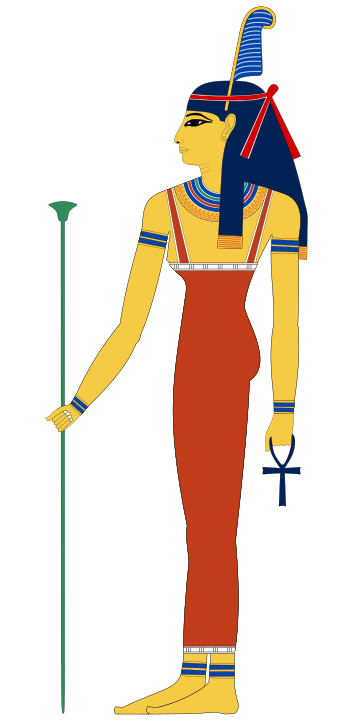
In ancient Egypt, Ma'at was a central idea. It stood for truth, justice, balance and the order of the world. Ma'at was also personified as a goddess, and her feather was used in the scene of the weighing of the heart, where the heart of the dead was measured against it.
A heart that was light and honest could pass into the afterlife, while a heavy and deceitful one was in danger.
This image can inspire a simple question for daily life. Am I living in a way that is honest and balanced? Ma'at does not promise that others will always be fair. It invites us to examine our own actions with integrity, so that our own conscience is clear.
Projection and the Shadow
Carl Jung described projection as the process by which we place parts of ourselves that we do not accept onto other people. A person who is secretly afraid of failing may accuse others of being weak. A person who feels jealous may accuse someone else of envy.
This does not mean that the accusation is always false, but it often says more about the speaker's inner conflict than about the target.
Understanding projection can be genuinely useful. When someone attacks us with strong words, we can notice that their anger may come from their own wounds. That recognition can create a little distance, which makes it easier to stay calm and to avoid taking the words personally.
The Mirror as a Mental Pause
The mirror visualization asks you to imagine a polished surface standing between you and the other person. The idea is that the hostile words meet the surface and bounce back, so that you do not absorb them. In psychological terms, this is a way of creating a pause.
It is a mental image that helps you stop reacting automatically and remember that the emotional storm belongs to the other person.
The practice can be combined with slow breathing, with feeling your feet on the floor and with a short phrase you repeat silently, such as "This is not mine to carry." These small steps help the body settle and give the mind room to choose a response.
Silence and Its Strength
Many experienced teachers agree that silence can be powerful. When you refuse to feed an argument, you often reduce its intensity. You do not have to defend every accusation or prove your innocence to someone who is determined to attack. Choosing silence, or a calm and short answer, can be a form of dignity.
Silence is not the same as submission. It is a choice to protect your energy, and it can be paired with clear limits. You can say, in a calm voice, that you will not continue a conversation that is hostile.
The Limits of the Mirror
This is the most important point. A mental image cannot change another person's behavior, and it cannot make a dangerous situation safe. Some people will continue to attack, manipulate or threaten, and no visualization can stop them. Believing that you can repel harm through energy alone can leave you unprotected and blaming yourself when things do not improve.
Real protection needs practical steps. Set clear boundaries and state them plainly. Limit contact when it harms you. Document threats or repeated abuse if needed. Talk with trusted friends, family members or a counselor. If you feel unsafe, contact local emergency services or a support line in your area. Spiritual practices can support these steps, but they should never replace them.
Sovereignty with Care
The idea of sovereignty, a steady sense of inner authority, is valuable. It means knowing what you value, what you will accept and what you will not. It means being honest with yourself and not handing your self-worth to the opinions of others. Ma'at and the mirror can serve this goal as reminders.
Yet sovereignty also includes care for yourself and for others. A person who is grounded and clear can still ask for help, rest and change their situation when needed. Strength is not the same as isolation.
Closing
The mirror of Ma'at, as a symbol, reminds us that truth can stay steady when others are angry, and that we do not have to absorb every projection that comes our way. Used as a pause, a breath and a reminder of your own integrity, this image can be a helpful companion.
Used with clear boundaries and real support, it can help you walk through difficult relationships with more calm. The strongest protection, however, is a life built on honesty, care and the courage to act when harm is present.
Related Esoteric Inquiries
- The Jungian Shadow: Excavating the Subconscious Gold
- The Energetic Shield: 5 Esoteric Boundaries to Stop Psychic Vampires from Draining Your Vigor
- The Persona and the Mask: Social Identity vs. Authentic Self in Jungian Psychology
Lux Esoterica.
2026.


Comments