The Penanggalan: The Detachable Vampire Head of Malay Folklore
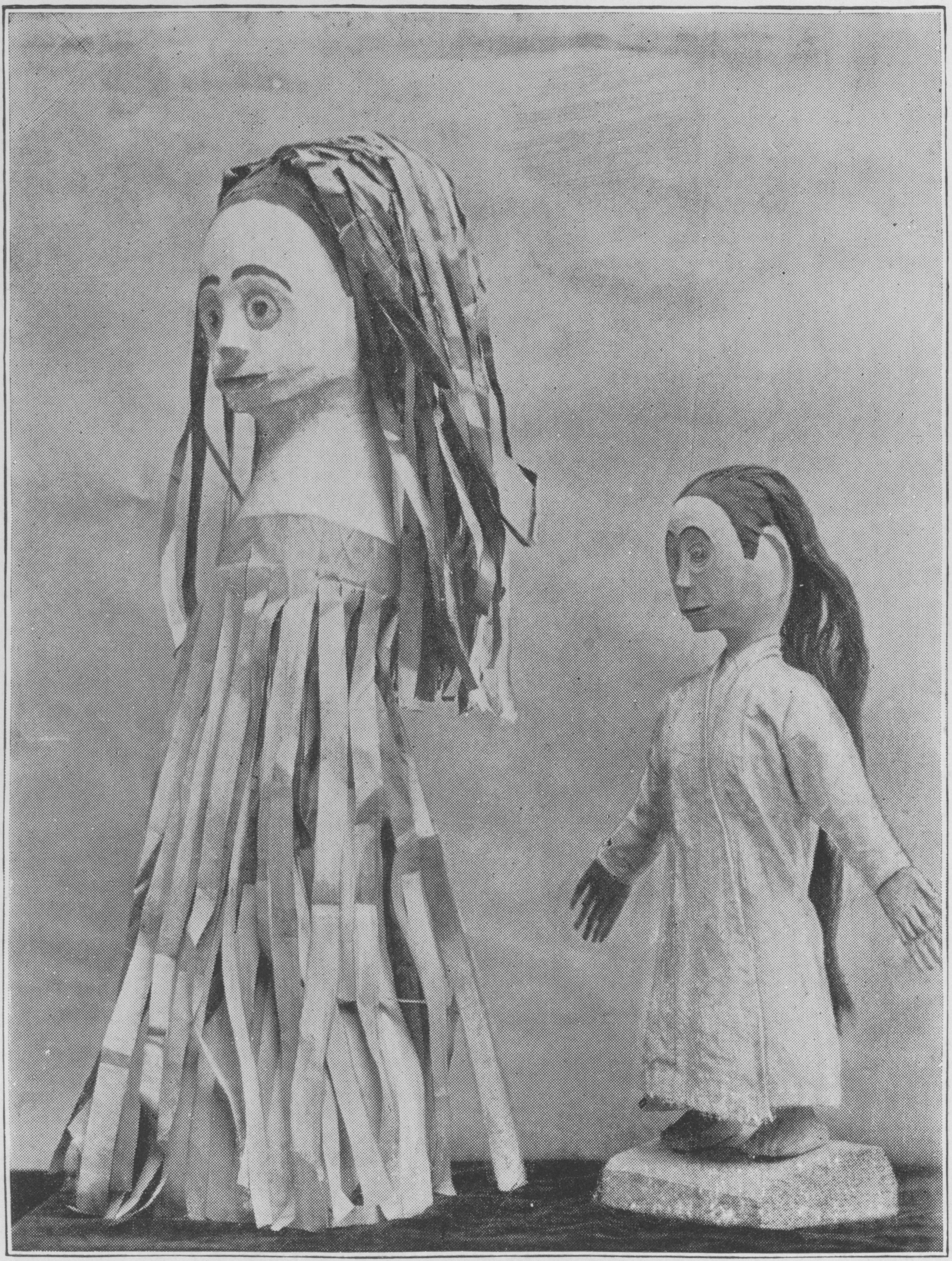
Of all the vampires in the world's night, the Malay Peninsula keeps the most anatomically audacious. The Penanggalan—from tanggal, "to detach"—is, by day, a woman: ordinary, often handsome, frequently (the tellings insist, with a professional cruelty we shall return to) a midwife. By night she performs the act her name records: her head detaches from her body—and rises into the air trailing her internal organs: stomach, intestines, the lungs and dangling ganglia, a comet of viscera glowing faintly, the tellings say, like fireflies as it flies through the dark. The abandoned body sits at home, headless and tended—soaking, in the classic accounts, in a vessel of vinegar, which shrinks the flown organs so they can be drawn back in at dawn (the sharp vinegar smell about a woman was, accordingly, a thing the villages noticed). And the flying head hunts what all her sisterhood across Southeast Asia hunts: the blood of childbirth—the newly delivered mother, the newborn, the birth-chamber itself; she perches on the roof-beams above the confinement, works her impossibly long invisible tongue down through the floorboards or the thatch toward mother and child, and those she taps sicken with the wasting fevers the midwives of the region fought hardest. Against her, the Malay household in its birth-weeks became a fortress of ingenious botany: thorns—branches of the thistly mengkuang and citrus thorns woven around windows, under the house, at every gap—for the flying head's trailing entrails snag on thorns, and a Penanggalan caught by her own viscera at the window-lattice is done for; dawn, or the household, finishes what the thorn began.
The Midwife Who Flies
Her origin-stories, collected in the classic accounts of Malay magic, are as pointed as her anatomy. In one, a woman engaged in penance or ritual sat startled by an intruder and, leaping up in shock, kicked her own chin so violently that her head tore free—and the detachment, once made, became her nature. In others the condition is bought: the Penanggalan acquires her powers by pact with the dark, sealed—the detail recurs—with a diet: she must drink blood, and the blood of birth above all, or the bargain fails. And persistently, structurally, the tradition makes her a midwife: the very woman called to the birth-chamber, trusted at the threshold of life, is the one whose head hunts it by night—the healer and the predator one flesh, separated only by the hour. The Peninsula's night is crowded with her sisterhood, and the taxonomy is precise: the Langsuir, her companion in the old illustrations, is the beautiful flying woman with the hole in the back of her neck—the ghost of a woman who died in childbirth or of its grief, feeding likewise on the newly born, laid to rest by cutting her nails and hair and stuffing them into the neck-hole, whereupon she settles into womanhood again; the stillborn child itself could rise as the owl-like pontianak; and around the whole nursery of dangers the culture built its forty-day fortress of confinement rites, wards, and watchers. Birth, in the old Malay world, was a siege—the statistics of the age made it one—and the Penanggalan and her sisters are the siege's order of battle: every hazard of the birth-chamber personified, given a shape, a diet, a weakness, and a ward.
The confinement fortress around the Malay birth deserves its full inventory, for the Penanggalan was only its most spectacular besieger. The forty-four days of the lying-in were governed by a complete regime: the mother warmed at the hearth-platform in the old "roasting" custom; the placenta—the child's spirit-sibling in the traditional account—buried with rites under a coconut palm; the thorny branches at every opening; iron placed near mother and child, scissors or a blade beneath the sleeping-mat, for the whole airborne sisterhood shares the world's iron-allergy; the bomoh or the wise women of the kampung in attendance with their formulas; lights kept burning, the child never left alone, visitors screened; and the mother's own body guarded in its vulnerability by food-rules and bathing-rites that read, in the ethnographies, like the husbandry of something both precious and porous. Skeat's great compendium of Malay magic, which preserved the Penanggalan and Langsuir illustrations above, records the logic the practices assume: birth opens a door in the world—through it life has just come, and through it, for forty-odd days, other things can come or go; the household's business is to hold the door. The modern maternity ward has taken over the mortality statistics that built the fortress, and the thorns have retreated to the kampungs and the grandmothers; but the folklorists note, with respect, how many of the old wards persist quietly around Malay and Indonesian births to this day—the blade under the mattress, the visitor-rules, the fierce unexplained insistence that mother and newborn are not, for the first weeks, to be left alone at night. The sieges are remembered in the defenses long after the besieger's name grows faint.
The Esoteric Reading: The Head That Leaves the Body
For the esoteric tradition, the Penanggalan is almost indecently legible, and her anatomy is the lesson. The head detaches and the appetites trail after it: she is the perfected image of the intellect that tears free of its body—the conscious, clever, day-competent head that at night abandons its grounded trunk and goes flying, and cannot leave its viscera behind: the guts, the hungers, the unintegrated organs stream after the flying mind wherever it goes, glowing and snagging. Every tradition warns of the ungrounded intellect; only Malaya drew it with the entrails attached—the flying head is never pure: its appetites travel with it, dangling, and it is precisely by the dangling appetites that it is caught. The body waits in vinegar: the abandoned trunk, preserved in sourness—the acid bath of the bitter, pickled, waiting self that the flying head returns to at dawn and squeezes back into; whoever has watched a brilliant, night-flying mind reunite each morning with its abandoned and resentful life knows the vessel and the smell. She feeds on birth: the detached intellect's chosen prey is the natal—the new thing at its most defenseless hour: the fresh work, the new love, the just-delivered project; the flying head hovers over cradles because the newly born is pure embodiment, everything the detached head renounced and craves; and the tradition's wards write the counter-doctrine in thorns: the new thing is protected by prickly boundaries—the thorn-hedge of firm, sharp, unaccommodating limits woven around every birth-chamber of a life, on which the trailing appetites of the circling clever snag and hold till daylight. And the healer and the predator share one flesh: the midwife-Penanggalan is the tradition's darkest honesty—those most intimate with the thresholds of life carry the greatest capacity to prey on them; every profession of the cradle and the sickbed knows its flying heads; and the difference, says the legend, is not knowledge, which both halves share, but detachment: the head that no longer comes home to its own body ends by feeding on other people's beginnings. Her whole entropic family we have anatomized elsewhere, in the vampire's universal syntax of drainage; the Peninsula's contribution is the diagram: this is how the drainer is built—a mind off its body, guts in tow, circling the newborn.
She thrives in the region's imagination—films, comics, the horror boom of three nations; the Indonesian and Thai coasts keep her under their own names, leyak and krasue, the flying head a whole Southeast Asian genre—and the thorn-lore is remembered wherever the old confinement customs survive. Her counsel, unpacked from the anatomy, serves any modern night: keep your head attached—fly, by all means, but land in your own body before dawn, and do not leave it souring in vinegar; hedge every newborn thing you love with honest thorns, and inspect the lattice nightly during the forty days; smell, without paranoia, for vinegar on the over-helpful—the sour preservative of lives abandoned for brilliance; and if you find, some midnight, your own clever head aloft with the appetites streaming behind it—go home at once, the tradition urges, and squeeze back in, however tight the fit has grown. The body forgives the flights it is returned to. It is the empty trunk at daybreak, headless in the acid, that the villages knew to burn.
Lux Esoterica.
2026.


Comments