Iamblichus and the Defense of Theurgy: Ritual as the Bridge to the Divine
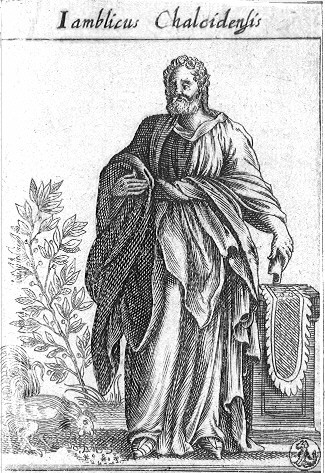
Iamblichus of Chalcis: The Syrian philosopher who elevated ritual magic to the heights of Neoplatonic metaphysics.
The Great Debate of Late Antiquity
In the fading twilight of the classical world, a profound philosophical schism threatened to fracture the Neoplatonic tradition. On one side stood Porphyry, the brilliant student of Plotinus, who argued that the soul could achieve union with the One purely through intellectual contemplation and ascetic purity. On the other side stood Iamblichus, a Syrian mystic and philosopher who countered with a radical assertion: the human mind alone is entirely insufficient to grasp the Divine.
To bridge the infinite chasm between the mortal and the immortal, Iamblichus argued, one required Theurgy—literally, "god-working."
De Mysteriis: The Manifesto of Ritual
Iamblichus articulated his defense in a masterful treatise commonly known as De Mysteriis Aegyptiorum (On the Mysteries of the Egyptians, Chaldeans, and Assyrians). Written as a response to Porphyry's skepticism regarding ritual magic, this text became the foundational cornerstone for the Western esoteric tradition.
Why, Porphyry asked, would transcendent, immaterial gods care about the burning of incense, the chanting of strange vowels, or the sacrifice of animals? Iamblichus’s response redefined the nature of matter itself. He posited that the material world was not a corrupt prison to be escaped through sheer thought, but a dense tapestry woven with divine signatures.
Synthemata: The Signatures of the Gods
The core of Iamblichus's theurgic system relies on the concept of synthemata (tokens or symbols). Because the universe emanates from the One, every level of reality retains a sympathetic link to its source. Certain stones, plants, animals, and even spoken sounds resonate with the specific frequencies of the planetary and celestial powers.
When the theurgist performs a ritual, they are not "commanding" the gods. That is the hubris of vulgar sorcery. Instead, by carefully combining these synthemata in the physical realm, the practitioner creates a resonant receptacle—a sympathetic resonance chamber. The divine light does not descend because it is coerced; it descends because it is naturally drawn to its own reflection in the material world.
The Limitations of the Intellect
Iamblichus delivered a humbling blow to the philosophers of his era. He insisted that if intellectual understanding were enough for salvation, then only a few elite scholars could ever attain it. Furthermore, the sheer majesty of the gods surpasses human comprehension.
Theurgy bypasses the fragile limitations of the human brain. The ritual acts, the sacred alignments of matter, and the voces magicae (words of power) operate on a level far deeper than rational thought. They perform the "work of the gods" upon the soul, lifting the practitioner beyond their own capacity.
Conclusion: The Living Practice
As the structures of 2026 demand a return to embodied, visceral experience, the writings of Iamblichus echo with sudden relevance. We cannot simply think our way out of the labyrinth. We must engage with the material world as a sacred theater.
Theurgy reminds us that the earth is not a dead rock, but an altar.
Lux Esoterica.
2026.


Comentarios