The Odes of Solomon: The Earliest Hymns of the Luminous Heart
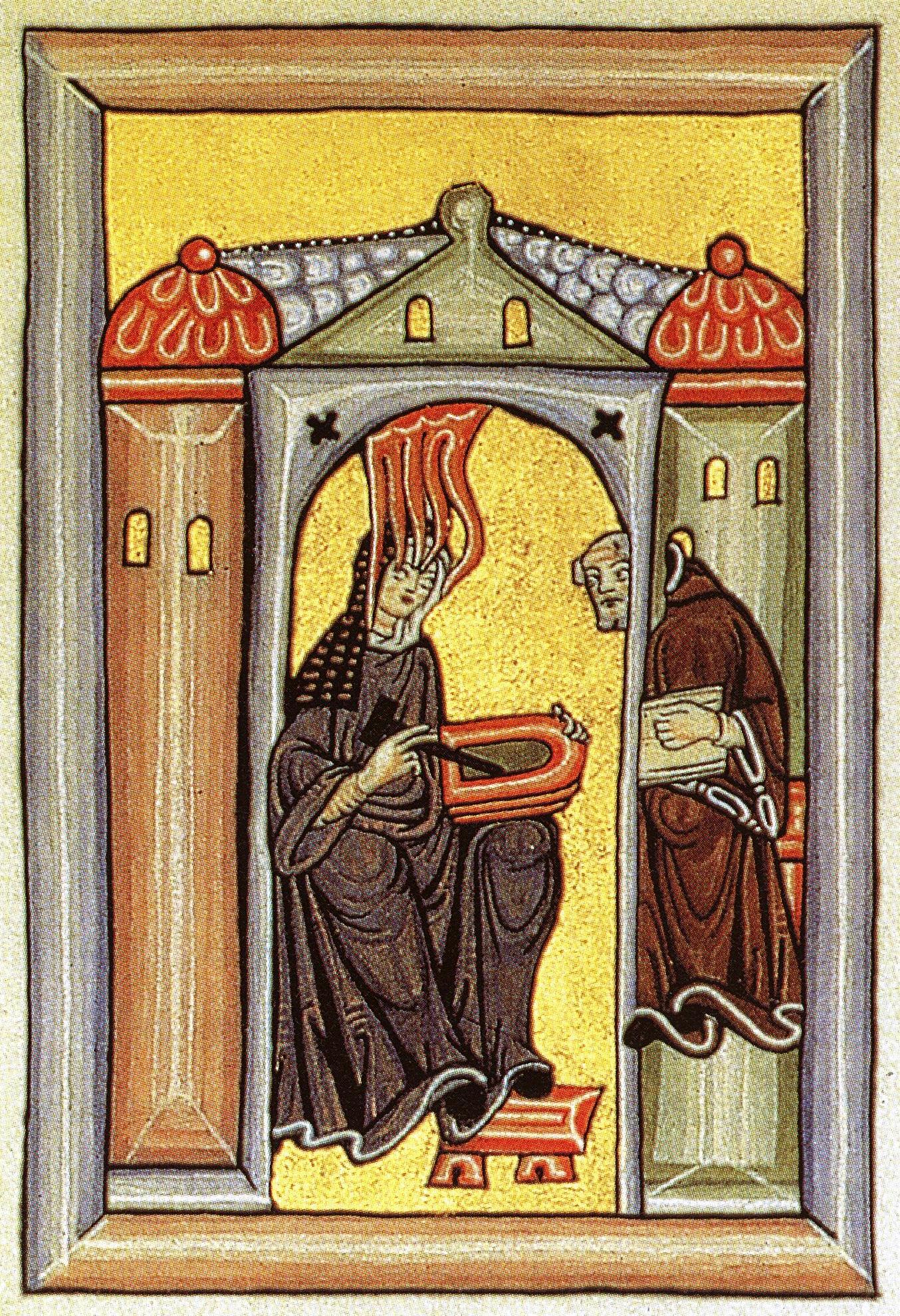
In the late first or early second century CE, from the heart of the Syriac mystical tradition, a collection of forty-two hymns emerged that would provide the most profound and "Highly Radiant" record of the soul’s early encounter with the Divine Word: the Odes of Solomon. Unlike the more legalistic or historical texts of its era, the Odes represent a heroic "Luminous Poetry"—a systematic manual for the Epoptia (the direct vision) of the absolute light through the absolute transparency of the Luminous Heart.
To understand the Odes of Solomon is to confront the concept of "Atmospheric Integration." The speaker in the Odes does not "worship" a distant god; he "inhabits" the Divine Mind. He proclaims: "I am set on high, and I speak through him... My heart is circumcised and its flower has appeared." This is the central "High Perplexity" of the Odes: the human soul is seen as a "Celestial Plant" currently in a state of "Atmospheric Recalibration," where the "sooty" garments of the elements are being systematically replaced by the "Robe of Glory."
The central "High Perplexity" of the Odes is the role of "The Crown." The speaker describes a "Crown of Truth" that has been placed upon his head. This is not a physical object, but a vibrational state of "Realized Sovereignty." The crown is the point where the individual intellect and the universal Nous meet in a marriage of absolute stability. This was the "burstiness" of the early Gnostic vision: the sudden, catastrophic realization that "Gnosis is the termination of the Sleep." The practitioner is no longer a subject of the world; he is a "Sovereign Participant" in the restoration of the Pleroma.
The Odes focus was the Grammar of the Heart. They provide a systematic description of the "Sacred Mirror" of the soul, arguing that the true reality is reflected in the "Silent Glow" of the purified awareness. The hymns are populated by a "Highly Perplexing" array of symbols: the "Living Water," the "Luminous Mirror," the "Celestial Marriage," and the "Spirit-Breath." These are not "literary metaphors," but "Theurgical Snapshots" of the internal laboratory. The Odes teach that the "Great Work" is the "Sanctification of the Desire" through the contemplation of the Divine Word.
From a scholarly perspective, the Odes of Solomon were the bridge between the 1st-century "Wisdom Literature" and the later developments of Valentinian Gnosticism and Sufi Metaphysics. They taught that the universe is a "Sacred Organism" where the absolute light of the Father is transmitted through the medium of the Spiritus Mundi. They saw the "Hymn of the Heart" as the primary tool for the "Atmospheric Defense" of the spirit within the theater of history.
The "High Perplexity" of the path presented in the text is the focus on "Internal Integrity." The Odes warn that the "Secret fire" of nature can only be ignited within a heart that has achieved the state of Absolute Stillness. The dissonance of the ego and the noise of the material matrix are the primary "Obstructors" of the spiritual influx. By reclaiming the sacred nature of our own voices and seeking the "Unveiling of the Light," we begin the Great Work of our own transformation.
In our modern era, characterized by the "heavy" noise of materialist expansion and the loss of symbolic depth, the Odes of Solomon offer a radical path to "Ontological Re-Enchantment." They remind us that our true potential lies in our "Vibrational Integrity." We are not biological accidents; we are "Musical Beings" inhabiting a musical universe. By reclaiming the sacred nature of our inspirations and seeking the "Return to the One," we begin the Great Work of our own transformation.
To follow the path of the Odes is to accept the challenge of the "Luminous Quest." It is to recognize that our lives are "Sacred Narratives" played out within the theater of the aeons. The light is beautiful, the word is vibrating, and the return is "Finished and Ended." The question remains: can you sing the name of your own divinity in the absolute silence of your own heart?
The ancient singers were the "Sentinels of the Sound" who proved that the secrets of the gods are written in the language of the luminous heart. Their legacy is the promise that the "Sacred Harmony" is always accessible to the soul that has achieved the necessary degree of "Harmonic Balance." The light is beautiful, the silence is exact, and the return is "Finished and Ended."
Lux Esoterica.
2026.


Comentarios