The Enigma of the Sphinx: The Hall of Records and the Water Weathering
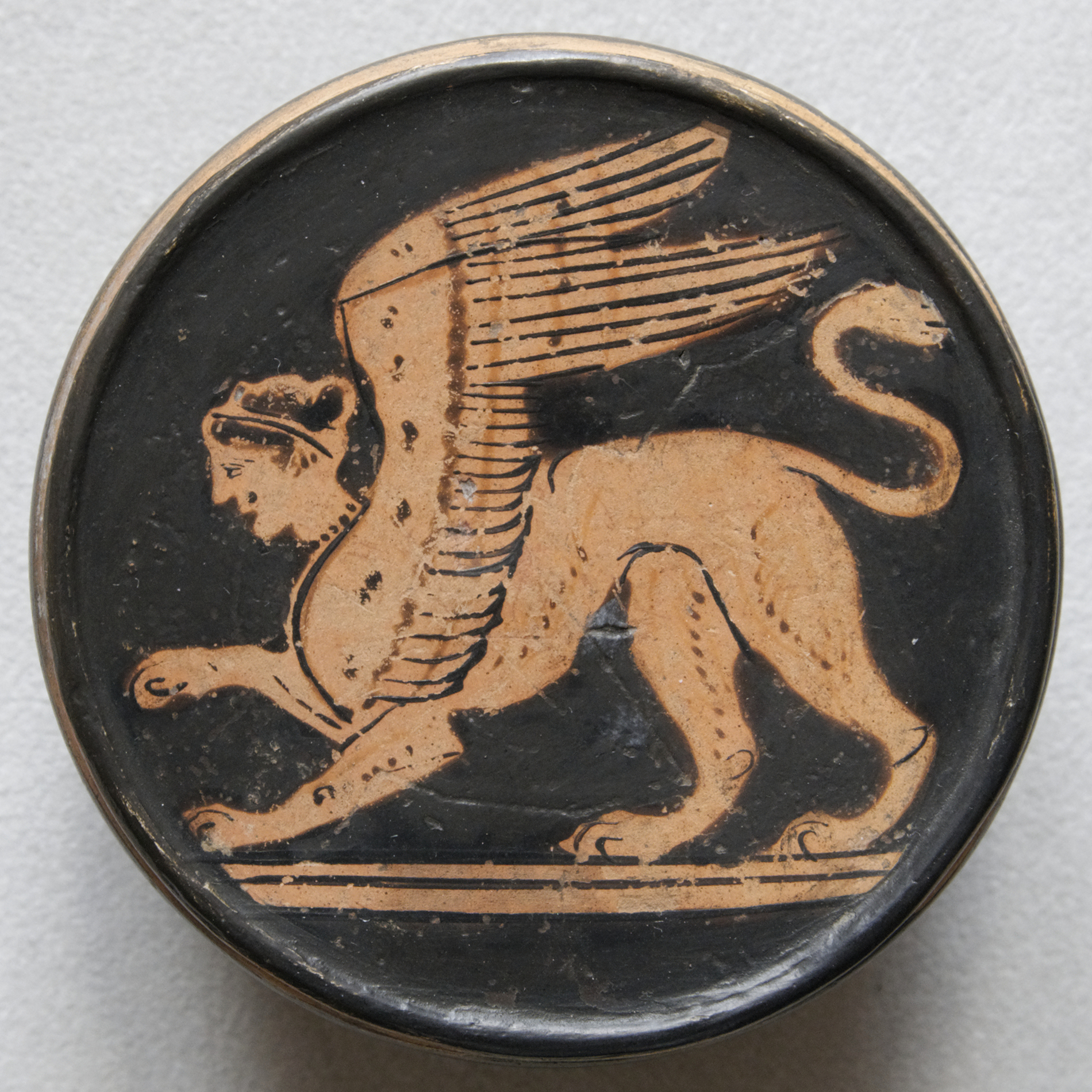
Orthodox Egyptology rests on a rigid, fiercely defended timeline. It insists that the Great Sphinx of Giza was carved by the Pharaoh Khafre around 2500 BC to serve as a massive, limestone guardian for his tomb. But independent geologists and esoteric researchers have spent decades pointing out a fatal flaw in this timeline—a flaw written directly into the very bedrock of the monument. The Great Sphinx is not simply weathering from the desert wind; it is severely, undeniably eroded by thousands of years of heavy rainfall. And heavy rainfall has not occurred in the Giza plateau since the end of the last Ice Age, pushing the true date of the Sphinx back to at least 10,000 BC.
The "Water Weathering Hypothesis," championed by Dr. Robert Schoch, points out that the deep, vertical fissures on the body of the Sphinx and its surrounding enclosure walls are the classic geological signature of heavy, sustained precipitation. The Great Pyramid and the Sphinx are not contemporary structures. The Sphinx is a relic of an entirely different, vastly older civilization—a global, pre-cataclysmic culture that existed before the catastrophic floods that reset human history.
The Atlantean Guardian
If the Sphinx predates dynastic Egypt by millennia, who built it? The esoteric tradition, heavily informed by the legendary "Sleeping Prophet" Edgar Cayce, provides a chilling answer. Cayce, while in deep trance states, accessed the Akashic Records to reveal that the Sphinx was constructed by the refugees of Atlantis following the final destruction of their island continent.
According to Cayce, the Atlanteans knew the cataclysm was coming. To preserve their highly advanced knowledge of anti-gravity, telluric energy grids, and spiritual transmutation, they built a massive, subterranean library beneath the Giza plateau. The Sphinx was designed as a marker and a lock. It was carved not as a pharaoh, but as a Leo—the astrological age occurring around 10,000 BC—staring directly at its celestial counterpart in the sky.
The Hall of Records
This legendary subterranean library is known as the Hall of Records. Cayce prophesied that it lies buried deep beneath the right paw of the Sphinx. Orthodox archaeologists vehemently deny its existence, yet ground-penetrating radar scans conducted in the 1990s clearly revealed massive, unexcavated rectangular chambers and tunnels perfectly matching Cayce's description beneath the monument.
Why has the Egyptian Antiquities Ministry consistently blocked further excavation of these chambers? What is truly buried beneath the paws of the Sphinx? From an esoteric perspective, the Hall of Records does not just contain historical texts. It contains the operational manuals for the machinery of the matrix. If humanity were to uncover the true, Atlantean physics of the universe, the current paradigm of control would instantly collapse. The Sphinx waits in the sand, heavily scarred by a forgotten flood, guarding the terrifying truth of our origins.
Lux Esoterica.
2026.


Comentarios