The Secret of the Gobekli Tepe Megaliths: The Sirius Alignment
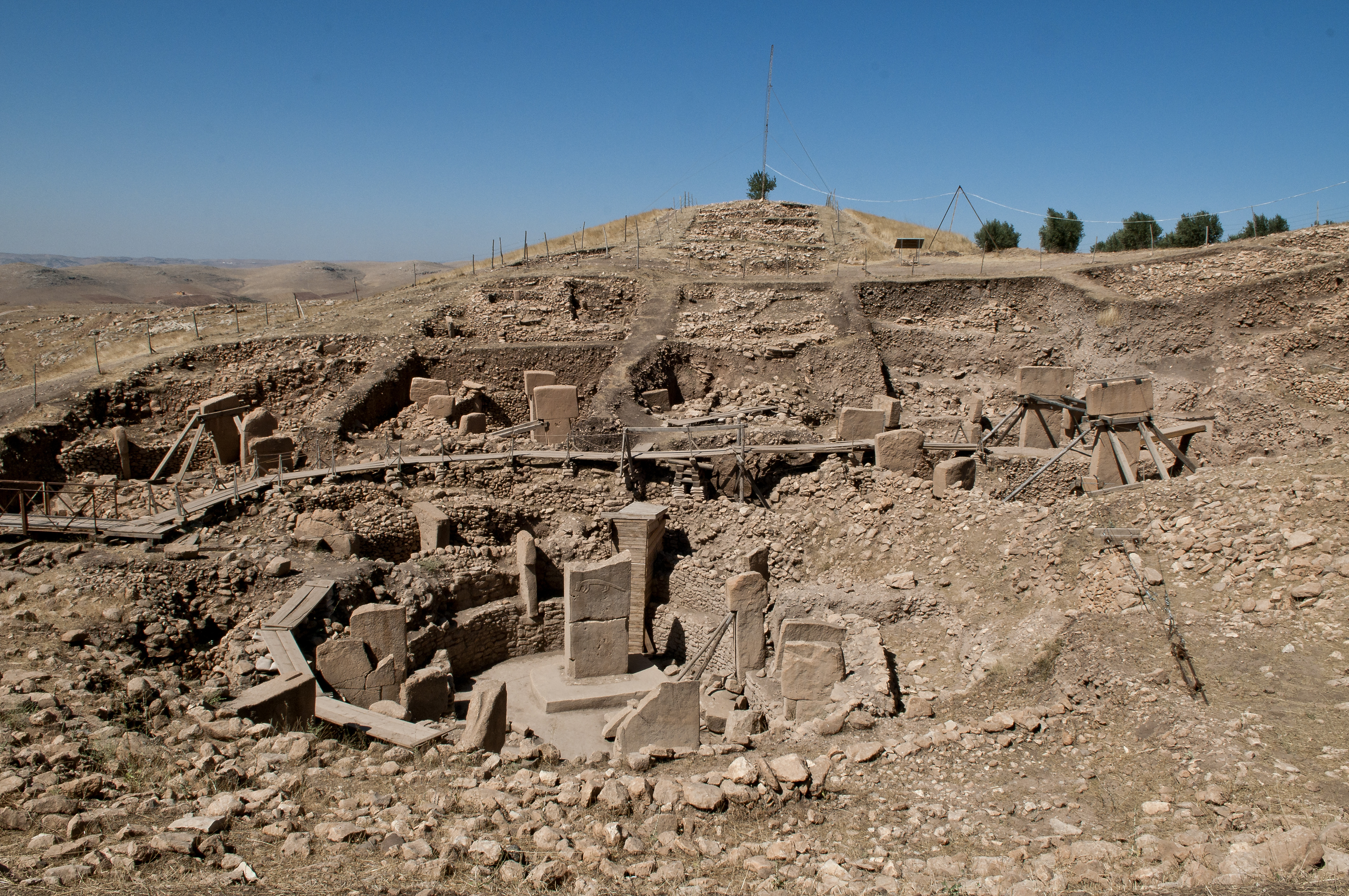
For over a century, orthodox archaeologists fiercely defended a very simple, linear timeline: human civilization began in Mesopotamia roughly 6,000 years ago with the invention of agriculture, which then slowly led to settled cities and monumental architecture. But in 1994, a German archaeologist named Klaus Schmidt began excavating a hilltop in southeastern Turkey known as Gobekli Tepe. What he uncovered completely, permanently shattered the established timeline of human history. He found a massive, highly sophisticated megalithic complex composed of massive, T-shaped limestone pillars, some weighing up to 20 tons, perfectly carved with incredibly complex, high-relief animal motifs.
The terrifying part was not just the architecture; it was the carbon dating. Gobekli Tepe was built exactly at the end of the last Ice Age, roughly 11,600 years ago. It is 7,000 years older than Stonehenge and the Great Pyramid. It proves that a highly advanced, organized civilization existed millennia before the invention of the wheel or pottery.
The Sirius Observatory
Mainstream science desperately tries to label Gobekli Tepe as a simple "hunter-gatherer temple." But esoteric researchers and archaeoastronomers quickly realized that the massive circular enclosures are not arbitrary. They are highly precise astronomical observatories. The central, massive T-pillars are perfectly aligned to track the rising of a very specific, highly significant star in the esoteric tradition: Sirius.
Just like the Dogon tribe and the builders of the Great Pyramid, the architects of Gobekli Tepe were deeply obsessed with the Sirius star system. It is theorized that the site was constructed to monitor the heavens for incoming cataclysms, or to establish a resonant, acoustic connection with the telluric grid during a period of massive, violent Earth changes (the Younger Dryas impact).
The Deliberate Burial
But the most anomalous fact about Gobekli Tepe is how its use ended. The complex was not destroyed by an earthquake, and it was not slowly abandoned. Roughly 8,000 years ago, the builders meticulously and deliberately buried the entire massive complex under thousands of tons of dirt and refuse. They perfectly sealed it away, preserving the massive pillars in an artificial time capsule.
Why would a civilization build the greatest architectural marvel in the ancient world only to intentionally hide it? Esoteric historians suggest the architects were preserving a highly specific, three-dimensional message. They buried Gobekli Tepe to ensure it would survive the dark ages of the matrix, waiting to be unearthed exactly when humanity needed a violent, undeniable reminder that the timeline is cyclical, and the pre-flood world was very, very real.
Lux Esoterica.
2026.


Comentarios