The Enigma of Gobekli Tepe: The First Temple of the Matrix
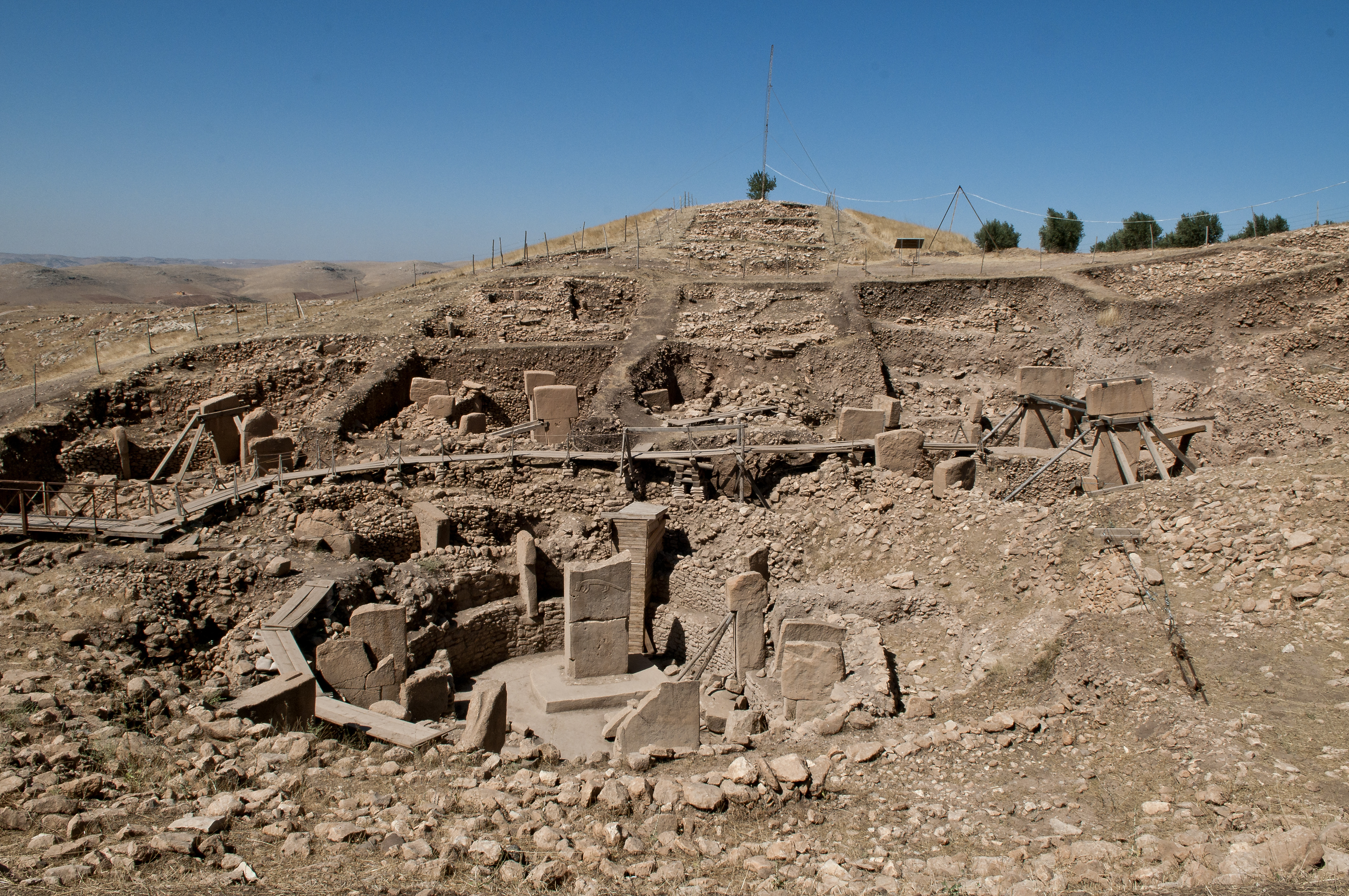
The orthodox timeline of human civilization is incredibly neat and comforting. It states that humans were primitive hunter-gatherers until around 4000 BC, when they discovered agriculture in Mesopotamia, settled down, and finally had enough free time to invent religion and build temples. This timeline was treated as absolute law—until a German archaeologist named Klaus Schmidt started digging into a dusty hill in southeastern Turkey in 1994. What he found beneath the dirt completely destroyed the foundations of modern archaeology. He uncovered Göbekli Tepe, a massive megalithic temple complex that is 12,000 years old.
To put this in perspective, Göbekli Tepe is older than the invention of the wheel, older than writing, and predates Stonehenge by a staggering 6,000 years. It consists of massive, circular rings of intricately carved, T-shaped limestone pillars, some weighing up to 20 tons. The pillars are covered in high-relief carvings of fierce predators: scorpions, lions, vultures, and boars.
The Builders Before History
The orthodox explanation—that bands of primitive hunter-gatherers, armed only with flint tools, somehow organized a massive labor force to carve, transport, and perfectly align these 20-ton pillars—is frankly absurd. Göbekli Tepe requires a deep understanding of structural engineering, logistics, and geometry. It is not the beginning of civilization; it is the highly sophisticated remnant of one.
The esoteric tradition offers a much more terrifying and coherent explanation. Göbekli Tepe was built in the immediate aftermath of the Younger Dryas impact event—the global cataclysm that destroyed the Atlantean civilization. The temple was not built by hunter-gatherers. It was built by the highly advanced survivors of the flood, who were attempting to transfer their esoteric and engineering knowledge to the primitive tribes that had survived the apocalypse.
The Telluric Node
Like the Great Pyramid and the Nazca Lines, Göbekli Tepe is not merely an architectural monument; it is a localized node on the Earth's electromagnetic grid. The T-shaped pillars represent stylized, faceless human figures. In esoteric terms, these circles were likely resonant chambers designed for shamanic rituals, allowing initiates to shift their Assemblage Point and interact with the astral plane.
But the most baffling mystery of Göbekli Tepe is how it was lost. It was not destroyed by an invading army or buried by a natural disaster. Around 8000 BC, the builders deliberately, painstakingly buried the entire massive complex under thousands of tons of dirt and refuse. They hid it perfectly. Why? Did the archons of the matrix force them to shut down the telluric grid? Göbekli Tepe stands as a buried time capsule, screaming that human history is a cycle of amnesia, and that we have been here, building impossible things, long before we were supposed to exist.
Lux Esoterica.
2026.


Comentarios